The short version
Brazil legislates well on disability and delivers unevenly. The gap between the two is the thing to plan around, and it falls in a predictable place: new infrastructure is often good and old cities are often impossible.
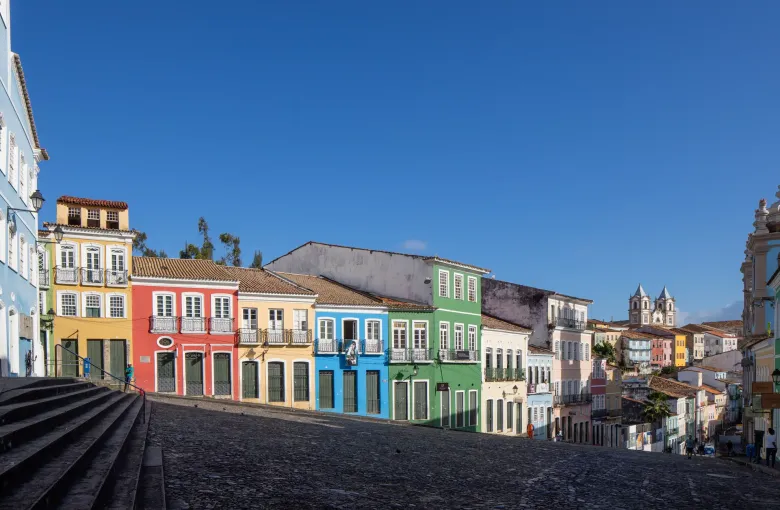
That matters more in Brazil than in many countries because so much of what a visitor comes for is in the old cities. Salvador's historic center, inscribed in 1985, is a hillside of cobbles and steps. Ouro Preto is steeper. Paraty is cobbled in a way that defeats most wheels.
What generally works
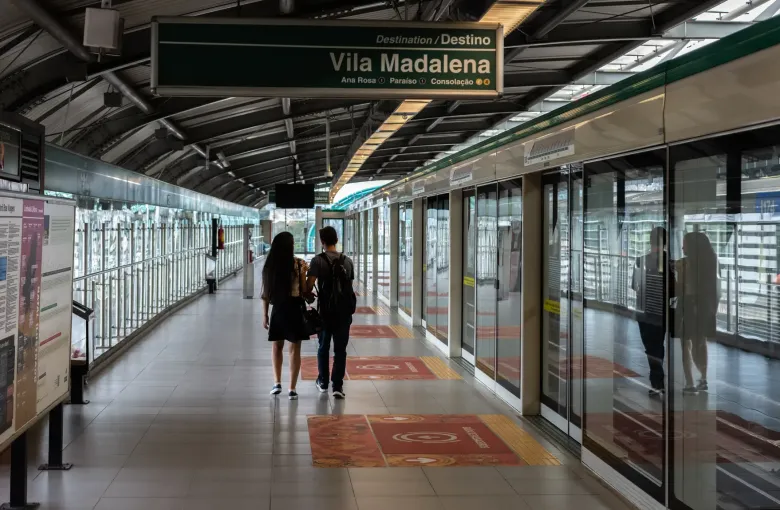
- Metro systems. The Sao Paulo and Rio metros are the most reliably accessible transport in the country, with lifts, level boarding at many stations and tactile paving. They are also the way to avoid traffic and the way to avoid getting into a vehicle you did not choose.
- Airports. The major international airports have assistance services, and Brazilian carriers are used to arranging them. Request assistance when you book rather than on the day.
- Newer hotels and shopping centers. Purpose built accommodation in the large cities is generally compliant. A converted colonial building in a historic center generally is not, whatever the booking site says.
- Some beaches. Several Brazilian cities run assisted bathing programs with amphibious chairs, trained staff and matted walkways on particular beaches on particular days. Rio and Salvador both have them. They need to be checked locally and in advance, because they run to a schedule.
What generally does not
Historic centers. The cobbles are original, the streets are steep, the curbs are high and irregular, and the buildings are protected in ways that make ramps difficult. This is not Brazilian neglect so much as the ordinary conflict between conservation and access, but the effect on a visitor's day is the same.
Pavements in general are uneven, often obstructed, and sometimes absent. Street level accessible taxis are scarce and cannot be relied on as a way of getting around.
Planning that actually helps
- Pick a base and radiate from it rather than moving every two nights. Each move is a new set of unknowns.
- Ask specific questions and ask for photographs. "Is it accessible" produces yes. "How many steps are there from the street to reception, and how wide is the bathroom door" produces the truth.
- Book a driver rather than relying on taxis. A known vehicle for the trip solves more problems than any other single decision, and it aligns with the safety guidance about not hailing cars in the street.
- Use the metro where it exists and plan the rest of the day around the stations it serves.
- Budget time, not just money. Everything takes longer, and a schedule with no slack in it is where an accessible trip goes wrong.
Equipment and medication
Bring spares and a repair kit. Replacement parts for mobility equipment can be hard to source quickly. Carry your medication in original labeled packaging with a doctor's letter, per our Brazil packing list, and bring enough for the whole trip.
Travel insurance that explicitly covers your equipment and any pre-existing condition matters here. A private hospital will not admit you without evidence that you can pay, and the public system, while it must treat an emergency, is crowded.
Traveling with a hidden disability
Heat, humidity and altitude all make invisible conditions harder, and Brazilian queues and crowds are long. Ask about priority access, which exists in law and is often honored in practice: the term to know is atendimento prioritario, and it covers more people than a visitor expects.
Verify before you travel
Accessibility information ages badly and Brazilian provision varies building by building. Confirm every arrangement directly with the hotel, the site and the operator close to travel, and ask for photographs rather than assurances.
Sources
- UK Foreign, Commonwealth & Development Office: Brazil safety and security: the police number 190, favelas and favela tours, robbery on buses and the four in the afternoon to nine at night window for phone theft, arrastoes on beaches, express kidnapping, ATM card cloning and pink marked notes, methanol in spirit drinks, the illegality of vaping devices, shark attacks around Recife, carjacking, taxi and ride hailing practice, and the LGBT+ legal position. Accessed 16 September 2026.
- UNESCO World Heritage Centre: the inscription of the Historic Centre of Salvador de Bahia in 1985 under criteria (iv)(vi), recording the city as the first capital of Brazil from 1549 to 1763 and, from 1558, the first slave market in the New World. Accessed 16 September 2026.
- UNESCO World Heritage Centre: Brazil's State Party record: twenty six properties inscribed on the World Heritage List, sixteen cultural, nine natural and one mixed, including the Valongo Wharf Archaeological Site in 2017 and Lencois Maranhenses National Park in 2024. Accessed 16 September 2026.
Other Articles
Brazil for Senior Travelers
Salvador, Bahia: Visitor and Heritage Guide