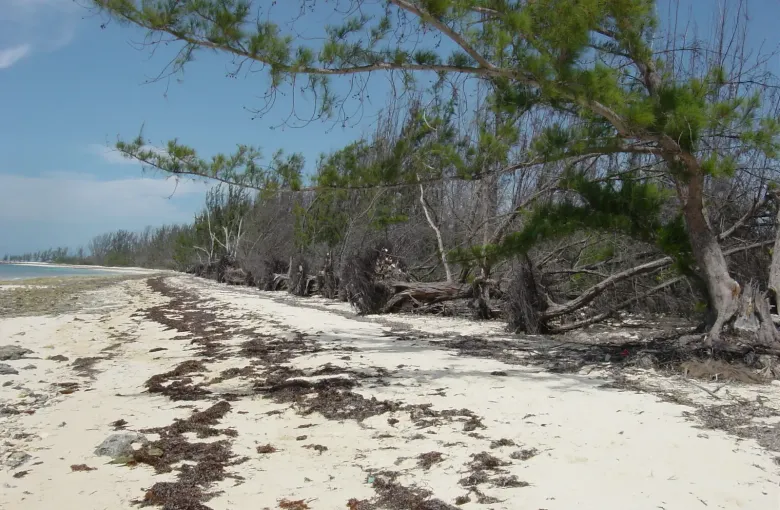
Where it is, and what it is for
The Bahamas National Trust records that Inagua National Park was established in 1965 on Great Inagua, the southernmost island in the Bahamas. It exists to protect a flamingo population, and that population is the reason it appears in international inventories.
⚠ Two authorities, two sets of numbers, and no reconciliation here
This is the unusual part of the page and the reason it is written the way it is. The two bodies that describe this park in public do not agree on its size or on how many birds it holds. Both are authoritative. This guide gives each figure with the name of the body that states it, and does not average them, choose between them or explain the gap away.
UNESCO, in the Tentative List entry, records the site as encompassing 32,600 ha with a breeding colony of over 40,000 Caribbean flamingos, and as the only Wetland of International Importance in the Bahamas, Ramsar site number 892.
The Bahamas National Trust records the park as encompassing 287 square miles and as the site of the largest breeding colony of West Indian Flamingos in the world, now numbering approximately 70,000 after a forty-year recovery from the edge of extinction.
Note also that the two use different names for the bird. Which figures you cite depends on which body you are citing, and a page that presented a single number as the fact would be concealing that a choice had been made.
A recovery, not a discovery
The Trust's phrasing carries the story. The colony numbers what it does after a forty-year recovery from the edge of extinction. A park established in 1965 and a recovery measured in decades describe the same effort: this population exists because it was protected, deliberately and for a long time, and not because it was left alone.
That is worth knowing before you arrive, because it changes what you are looking at. A large colony in a remote place reads like abundance. It is the result of work.
On the World Heritage question
Inagua is one of the two Bahamian sites on the UNESCO Tentative List, and the country has no inscribed property. A tentative entry records an intention to consider a nomination. It is not a designation and should not be described as one.
Visiting
Great Inagua is the southernmost island in the country and is a long way from Nassau. This is not a day trip from a cruise berth, and the Foreign, Commonwealth and Development Office's note that emergency medical facilities are limited on all the Family Islands applies here as much as anywhere. Plan the travel and the insurance together; our transportation guide and safety guide both bear on it.
What this guide does not tell you
No opening arrangements, no permit requirements, no best month for the birds, no access detail. None is in the two sources used here. The Bahamas National Trust administers the park and is the body to ask before you travel for it.
Sources
- UNESCO World Heritage Centre: The Inagua National Park, on the Tentative List: a site UNESCO records as encompassing 32,600 ha with a breeding colony of over 40,000 Caribbean flamingos, and as the only Wetland of International Importance in The Bahamas, Ramsar site number 892. Accessed 18 September 2026.
- Bahamas National Trust: Inagua National Park: established in 1965 on Great Inagua, the southernmost island in The Bahamas, which the Trust records as encompassing 287 square miles and as the site of the largest breeding colony of West Indian Flamingos in the world, now numbering approximately 70,000 after a forty-year recovery from the edge of extinction. Accessed 18 September 2026.
- UNESCO World Heritage Centre: Bahamas States Party record: zero properties inscribed on the World Heritage List and two sites on the Tentative List, which is the inventory of properties a State Party intends to consider for nomination. Accessed 18 September 2026.
Other Articles
The Best Time to Visit the Bahamas
Accessible Travel in the Bahamas