
Why visit
Why Visit Rocky Mountain with LABUSA Travel
Alpine Tundra From the Car Window
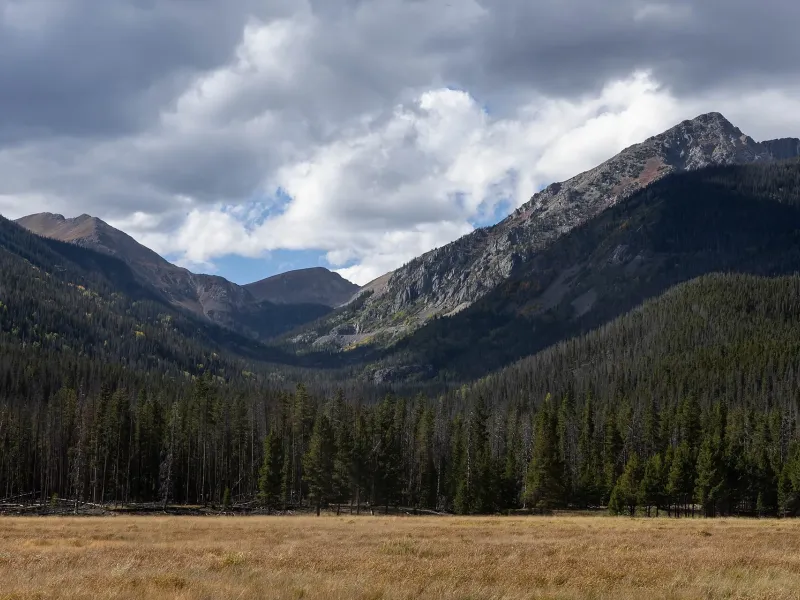
Trail Ridge Road crosses the park for 48 miles and climbs to 12,183 feet, with eleven miles of road above 11,500 feet. In summer it links Estes Park and Grand Lake, so a single day can move from montane forest to open tundra and back. Pullouts and the Alpine Visitor Center let travelers take in the high country without a strenuous hike.
Easy Lakes and Meadows
Bear Lake Road climbs 9.2 paved miles to a lake framed by Hallett Peak, and nearby Sprague Lake has a loop NPS describes as wheelchair and stroller accessible. Moraine Park offers views of Longs Peak and the Continental Divide. Free summer shuttles along Bear Lake Road make it simple for groups to park once and explore.
Wildlife in Every Season
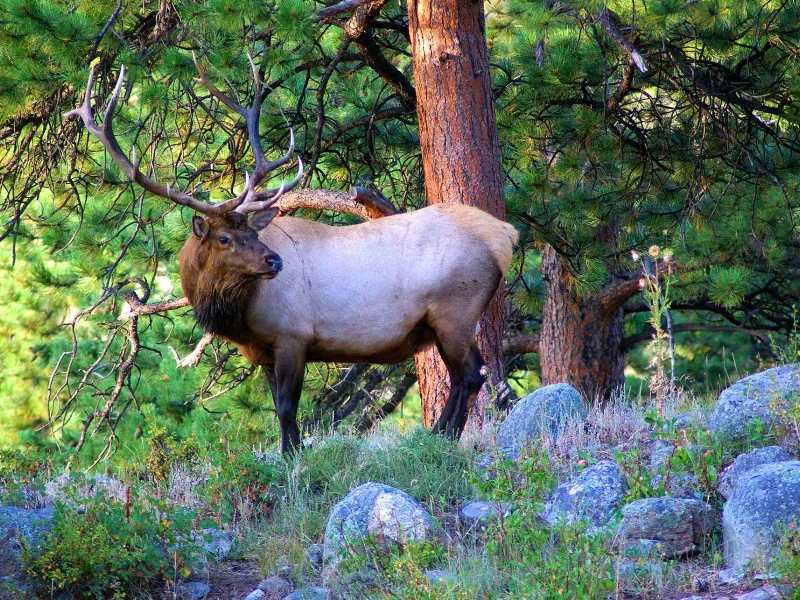
Elk can be seen at any time of year, and September and October bring their fall rut. Bighorn sheep are commonly seen near Sheep Lakes and Horseshoe Park from May through mid-August, and marmots and pikas live among the rocks on the tundra. The park records 66 species of mammals and 280 species of birds.
Top places to visit
Top Places to Visit
in Rocky Mountain
-
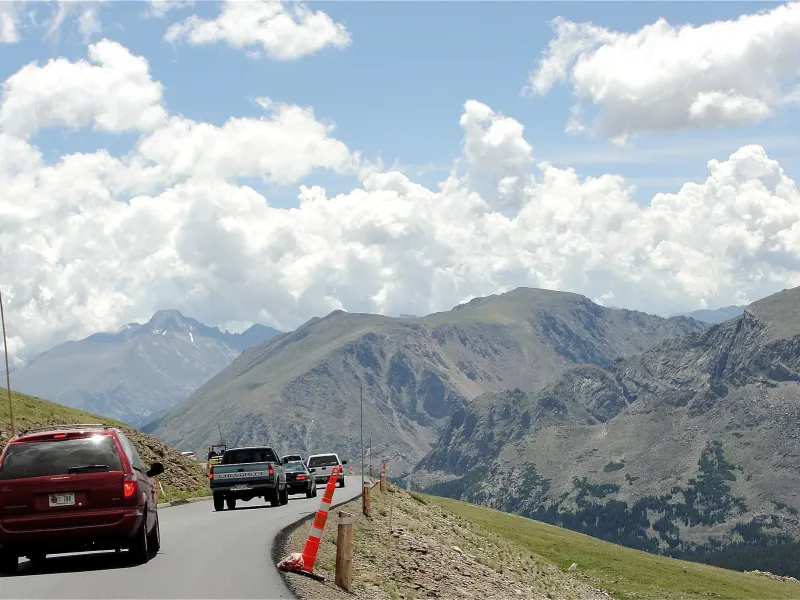
Trail Ridge Road
This 48-mile road is the highest continuous paved road in the United States, topping out at 12,183 feet. Built in the 1930s, it has few guardrails and no shoulders across its highest miles. It closes to through travel for the winter, typically from about mid-October, and has typically reopened during the last week of May, weather permitting.
-
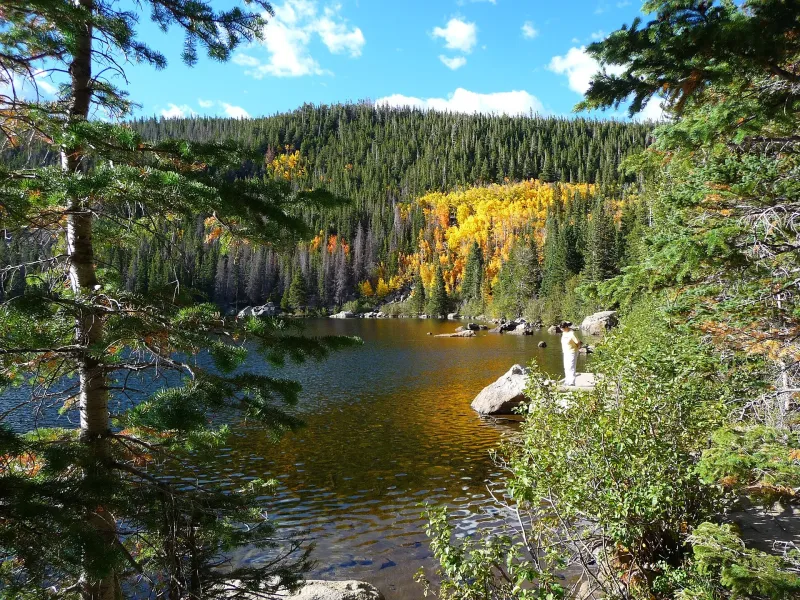
Bear Lake
Bear Lake sits at 9,475 feet at the end of Bear Lake Road, a short walk on a marked path from the parking area, with views of Hallett Peak and the surrounding summits. The 0.6-mile Bear Lake Loop circles the shore, and the trailhead is a gateway to longer hikes such as Dream Lake and Emerald Lake. The lot is often full by 9 a.m., so the free shuttle from the Park and Ride is the easier choice in summer.
-
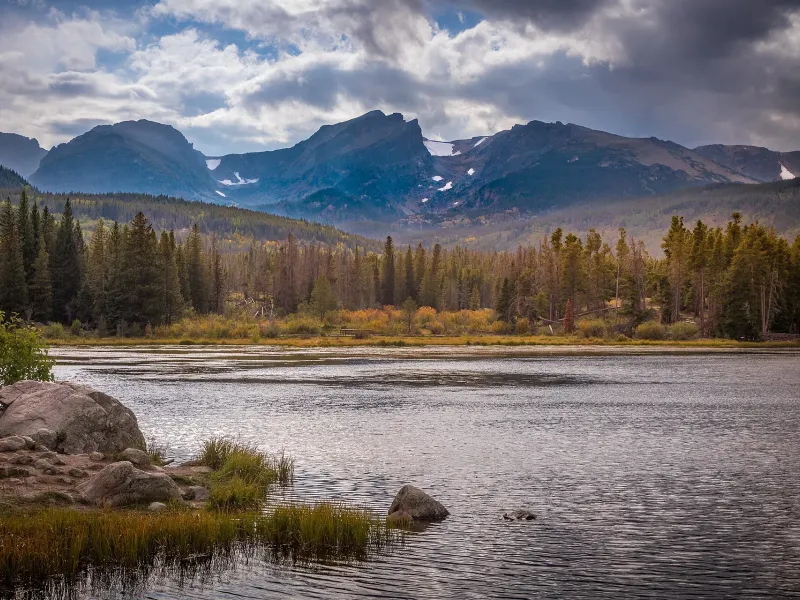
Sprague Lake
The 0.8-mile Sprague Lake Loop is one of the most accessible walks in the park, with benches, lookout points and a fishing pier facing the Continental Divide. NPS describes the trail as wheelchair and stroller accessible and lists its surface as packed gravel, wood bridge and dirt, with small rises onto the bridges. Moose are frequently spotted here, especially at dawn and dusk.
-
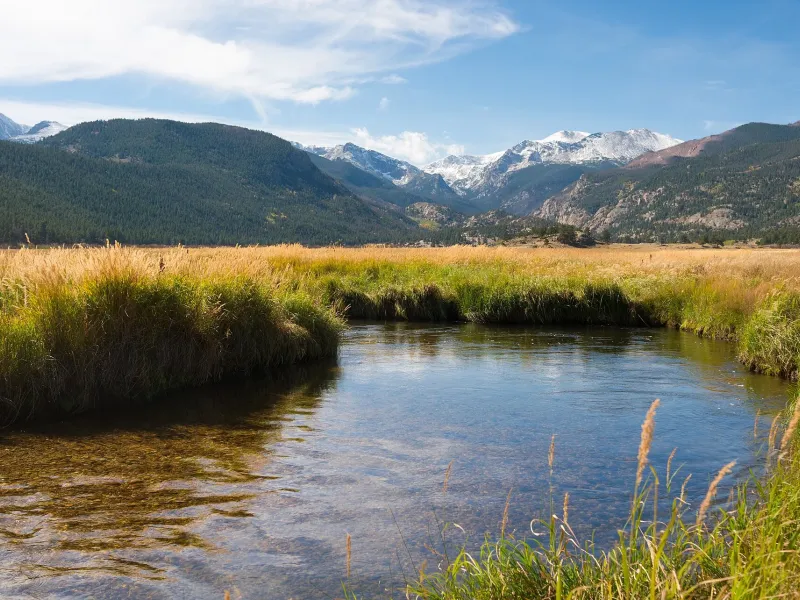
Moraine Park
About two miles up Bear Lake Road, Moraine Park is a broad meadow with views of Longs Peak and the Continental Divide, and a favorite place to watch elk in spring and fall. The seasonal Moraine Park Discovery Center has wildlife exhibits and an elevator to its second floor. Moraine Park Campground, the largest in the park, sits nearby.
-
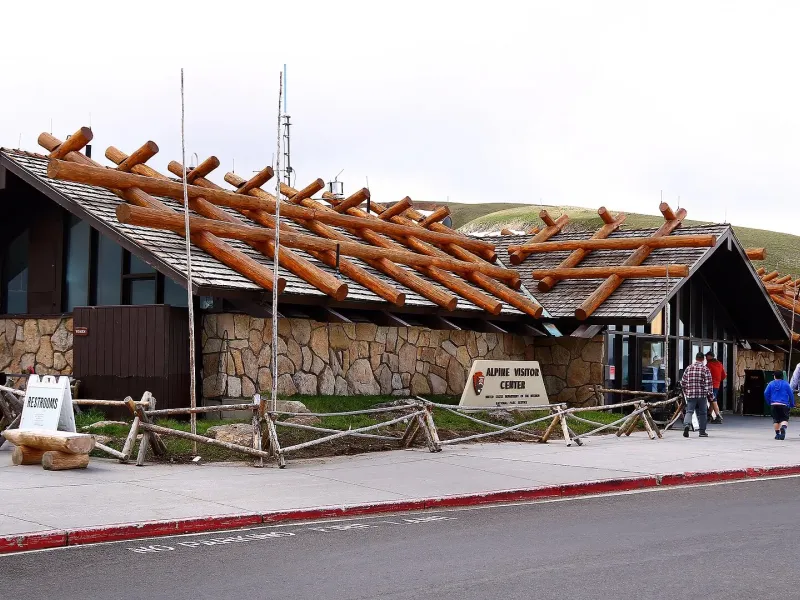
Alpine Visitor Center
At 11,796 feet near Fall River Pass, the Alpine Visitor Center is the park's high-elevation stop on Trail Ridge Road. It has a small tactile map and exhibits on the alpine environment, and the Trail Ridge Store next door has a cafe in summer. The center closes in winter, and the thin air here is a real consideration for anyone with heart or lung conditions.
-
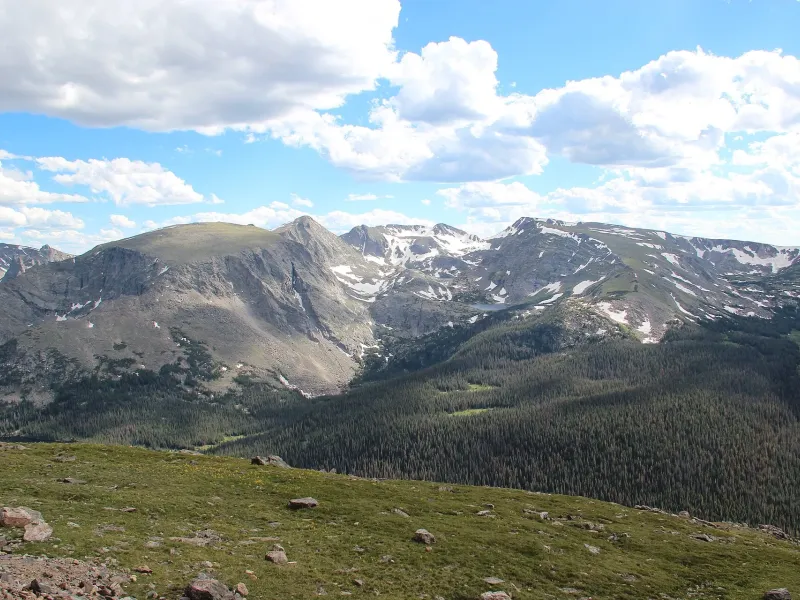
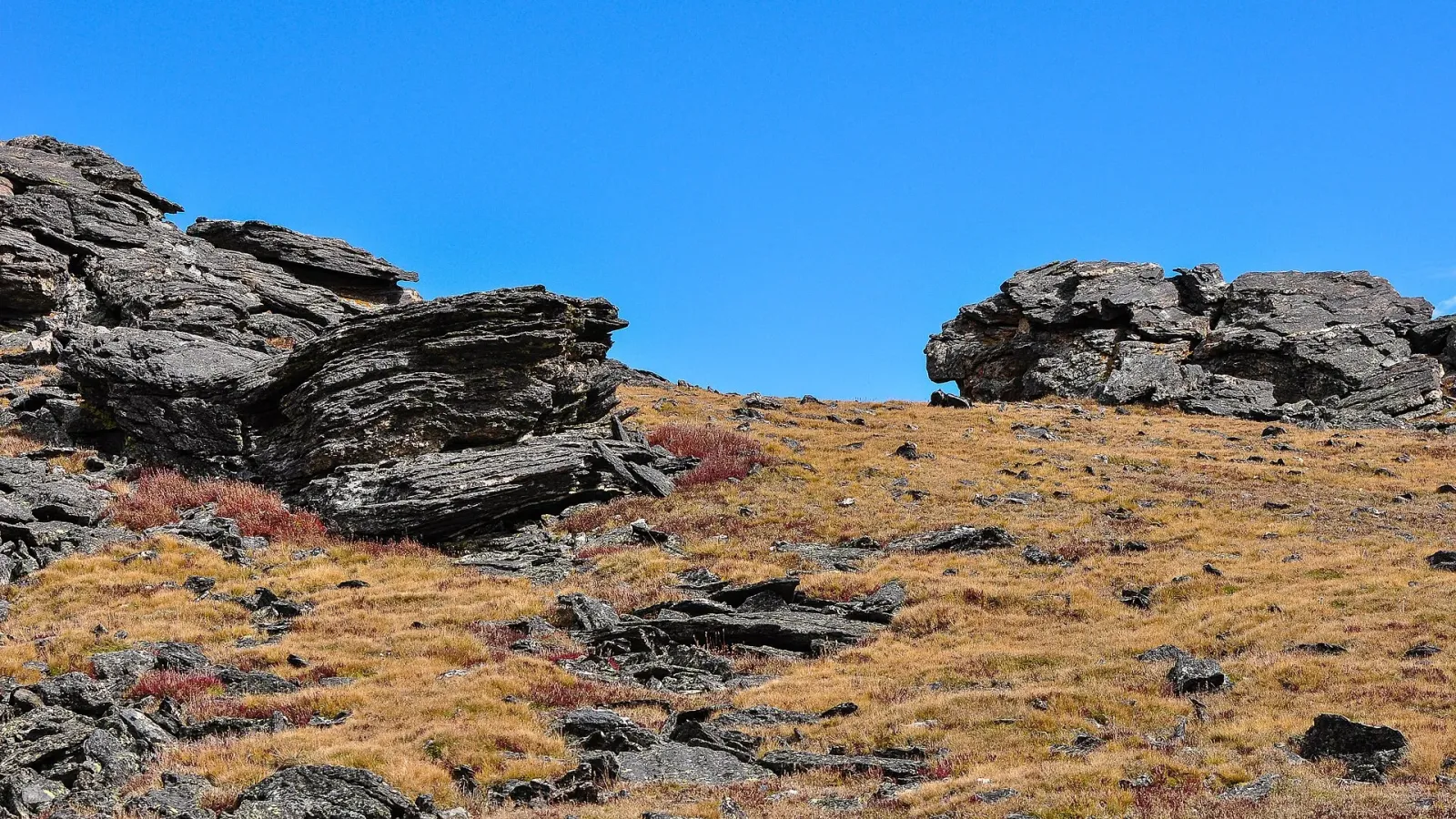
Tundra Communities Trail
This trail leaves Trail Ridge Road high above treeline and crosses open alpine tundra with wide views of the surrounding peaks. NPS points to it as a good place to look and listen for pikas, and marmots are often seen on rocks along Trail Ridge Road. At this elevation every step takes more effort, so walk slowly, carry water and turn back if you feel lightheaded.
Before you go
Rocky Mountain
Travel Guide & Tips
-
Best Time to Visit Rocky Mountain
Summer and early fall are the most practical seasons, because Trail Ridge Road has typically opened to through travel in the last week of May and closed for the winter around mid-October. July and August have the most roads open, including the unpaved, one-way Old Fall River Road (usually open to vehicles from early July to early October), while September and October bring clear, crisp air, colder nights and the elk rut.
That same late May to mid-October season is also when the park's timed entry system and free Bear Lake Road shuttles have operated in recent years, so popular areas are busiest then. Early snowstorms are always possible on Trail Ridge Road in fall, and snow often covers the Bear Lake Trail from late October through early June.
Suggested trip length: 2 to 4 days.
-
Getting There & Getting Around
- Denver International Airport is the closest major airport. There is no public transportation from the airport to the park, though commercial shuttles run to Estes Park.
- From Denver, NPS lists about 66 miles and one and a half to two hours to Estes Park by way of Boulder and U.S. Highway 36. The west side gateway of Grand Lake is reached through Granby on U.S. Highway 34.
- The park has no overnight lodging inside its boundaries. Hotels and other lodging are in the gateway towns of Estes Park on the east and Grand Lake on the west, and five campgrounds inside the park are reachable by vehicle.
- In recent summers, free park shuttles have run along Bear Lake Road from the Park and Ride, and a ticketed Hiker Shuttle has connected the Estes Park Visitor Center to the Park and Ride. There is no shuttle on the west side or across Trail Ridge Road.
- Estes Park and Grand Lake are about 50 miles apart across Trail Ridge Road, and there are no gas stations inside the park, so fill up in town before crossing.
-
Rocky Mountain Travel Tips
- In recent seasons the park has required timed entry reservations from late May to mid-October. In 2026 a Timed Entry reservation was needed to enter between 9 a.m. and 2 p.m., and a Timed Entry plus Bear Lake Road reservation was needed for the Bear Lake Road corridor between 5 a.m. and 6 p.m. Reservations are made only on Recreation.gov, so check the NPS site for this year's dates and hours.
- The park charges an entrance fee and accepts cards only at entrance stations. The America the Beautiful pass covers entrance fees at national parks, and nonresident visitors 16 and older pay an additional per-person fee. See the NPS fees page for current details.
- Elevations range from about 7,500 feet in the nearby towns to over 12,000 feet on Trail Ridge Road, and altitude sickness affects many visitors every year. Take your time, drink water, eat and rest, and head to lower elevations if symptoms such as headache, nausea or dizziness appear. Altitude can also aggravate heart and lung conditions.
- Lightning regularly strikes in the park. Start high-country outings early in the day, check the forecast, and stay away from summits, ridgelines and open meadows if you see lightning or hear thunder.
- Keep at least 75 feet from all wildlife and at least 120 feet from black bears, moose and mountain lions. Harassing or feeding wildlife is illegal in all national parks, and elk and moose can become aggressive when defending their young.
- Do not rely on cell phones in the park. Many locations have no service, including the entrance stations, so print or screenshot reservation confirmations ahead of time. Free WiFi is available at some visitor centers.
- Colorado observes Mountain Time with daylight saving time, and NPS posts reservation release times in MDT, so set reminders on local time.
Signature experiences
Signature Rocky Mountain
Experiences
-
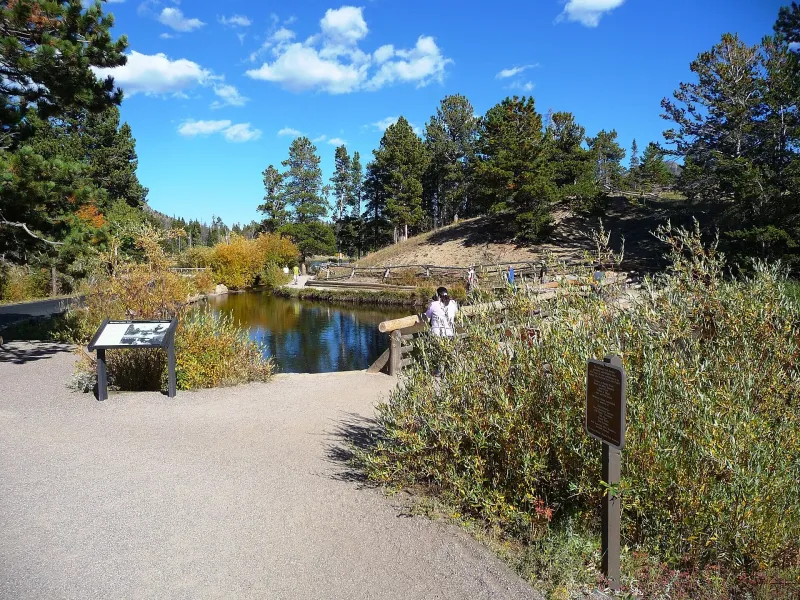
Accessible and Senior-Friendly Sightseeing
Sprague Lake's 0.8-mile loop is described by NPS as wheelchair and stroller accessible, with benches and a fishing pier facing the Continental Divide. Scenic drives on Trail Ridge Road and Bear Lake Road bring the high country to the car window, and the park's Bear Lake Road shuttles kneel, have ramps and carry up to two wheelchairs each. All-terrain wheelchairs can be reserved at no cost through a local outfitter, and a 48-page Access Guide is available at visitor centers. Keep altitude in mind, since the Alpine Visitor Center sits at 11,796 feet.
-
Wildlife and Safety
Elk are the park's most visible residents, gathering in meadows such as Moraine Park and Horseshoe Park, especially during the September and October rut. Stay at least 75 feet from elk and other wildlife and at least 120 feet from black bears, moose and mountain lions, and pull fully off the road before stopping to watch. Store food in lockers or out of sight, and never feed any animal. There are no grizzly bears in the park, but black bears and mountain lions are present.
-
Suggested Itinerary: Three Days From Meadow to Tundra
Day one is for arriving in Estes Park, settling in and adjusting to the altitude with an easy evening drive through Moraine Park. Day two follows Bear Lake Road by shuttle to Bear Lake and Sprague Lake. Day three crosses Trail Ridge Road to the Alpine Visitor Center and on to Grand Lake, timed around the year's entry reservations. This is a suggested plan our advisors adapt to your group and to current park rules, not a scheduled departure.
LABUSA Travel Advisors plan Rocky Mountain National Park trips for individuals, families, seniors and organized groups. We help you choose between Estes Park and Grand Lake, time your days around the entry reservation system and altitude, and build in accessible lakeside walks and scenic drives. Keep planning with our U.S. National Parks collection, accessible travel in the United States and the United States for senior travelers.
Timed entry rules, road openings and shuttle schedules at Rocky Mountain National Park change from season to season. Before you travel, check the official NPS site at nps.gov/romo for current conditions, alerts and this year's reservation details. Visit the official Rocky Mountain National Park website.
Common questions
Rocky Mountain Travel FAQs
- Do I need a timed entry reservation for Rocky Mountain National Park?
- In recent seasons, yes, during certain hours from late May to mid-October. In 2026 visitors entering between 9 a.m. and 2 p.m. needed a Timed Entry reservation, and those entering the Bear Lake Road corridor between 5 a.m. and 6 p.m. needed a Timed Entry plus Bear Lake Road reservation. Reservations are made on Recreation.gov, so check the NPS timed entry page for the current year.
- When is Trail Ridge Road open?
- Trail Ridge Road is not an all-season road. It has typically reopened to through travel during the last week of May, weather permitting, and closes for the winter around mid-October. Temporary closures can happen at any time because of snow and wind, so call the park's road status line or check the NPS roads page before you go.
- How should we prepare for the high altitude?
- Elevations range from about 7,500 feet in the gateway towns to over 12,000 feet on Trail Ridge Road. NPS advises taking your time, drinking water, eating and resting, and going down to a lower elevation if you feel ill. NPS also notes that altitude can aggravate heart and lung conditions, which is worth discussing with a doctor before the trip.
- Is Rocky Mountain National Park good for seniors or travelers with limited mobility?
- Yes, with planning. Scenic drives on Trail Ridge Road and Bear Lake Road, the Sprague Lake Loop and the visitor centers suit travelers who prefer short, level outings, and the Bear Lake Road shuttles are wheelchair accessible. Many other trails are steep, and the altitude makes any walk harder than it would be at home.
- Which tribes are connected to the park's history?
- NPS notes that people first entered these valleys and mountains some 11,000 years ago. It also says the Ute tribe favored the area's valleys, tundra meadows and lakes, although it was never their year-round home, and that the Utes dominated the area until the late 1700s.