
Why visit
Why Visit Grand Canyon with LABUSA Travel
A Rim Built for Sightseeing
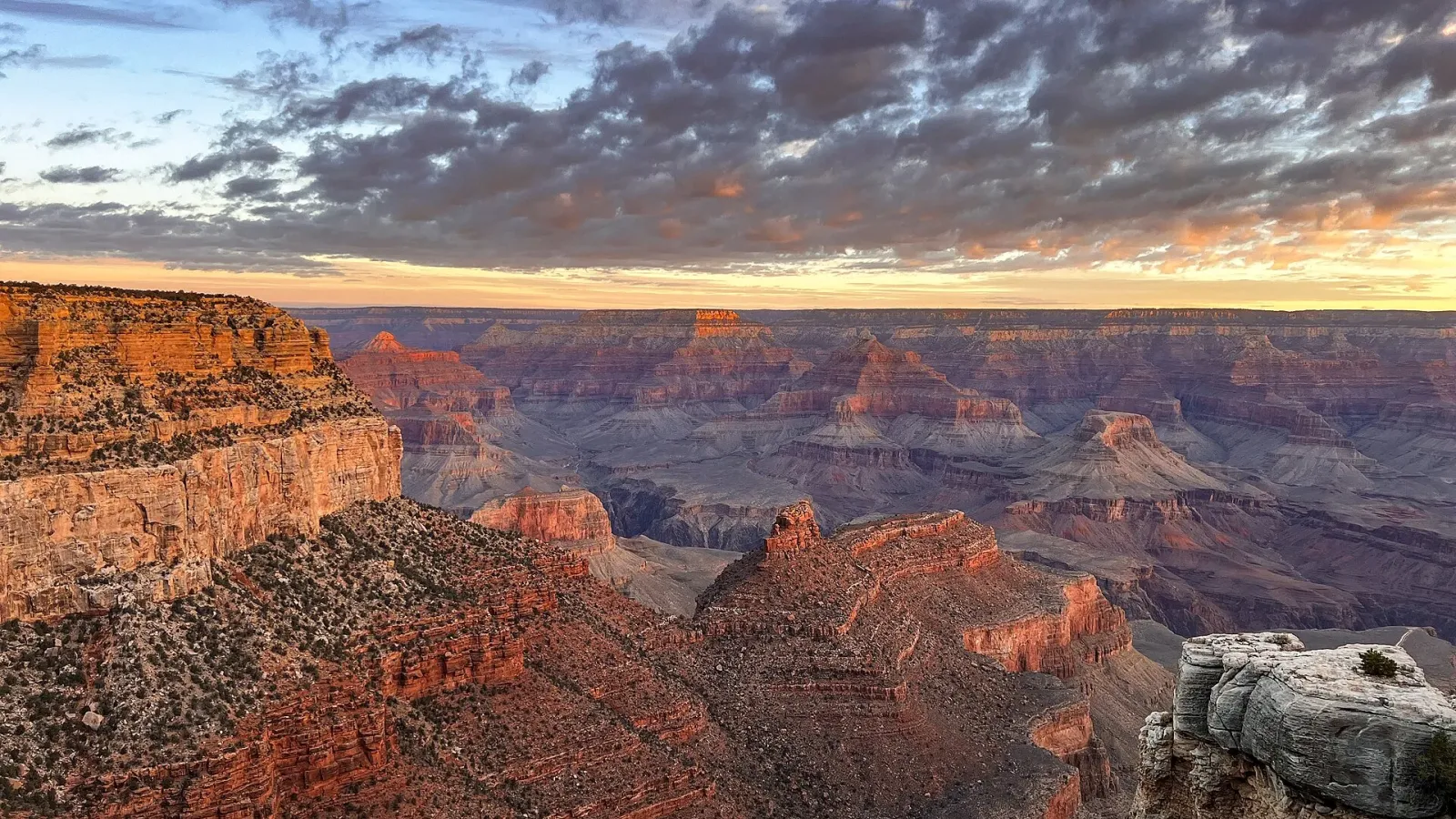
Most of the classic views on the South Rim are a short walk from a parking area or a free shuttle stop. The Rim Trail links viewpoints on paved and dirt sections, so a group can choose how far to walk. That makes the park workable for travelers who want the views without a strenuous hike.
Geology You Can Read on Foot
The canyon exposes a long sequence of rock layers, and the park explains it right at the rim. The Trail of Time and the Yavapai Geology Museum turn a walk into a timeline, with touchable rock samples along the way. Ranger programs add talks on geology, condors and night skies.
Living Cultures at the Canyon Edge
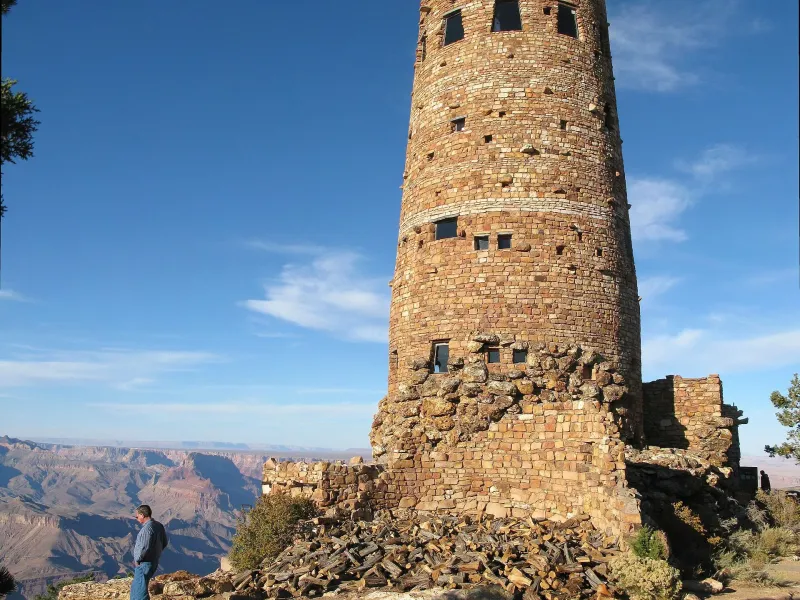
Eleven tribes have historic connections to the lands within the park, and the park shares boundaries with three of them. At Desert View, the Watchtower and the Tusayan Pueblo site connect the canyon to the people of the Colorado Plateau, and seasonal cultural demonstrations bring artists from traditionally associated tribes to the rim.
Top places to visit
Top Places to Visit
in Grand Canyon
-
Mather Point
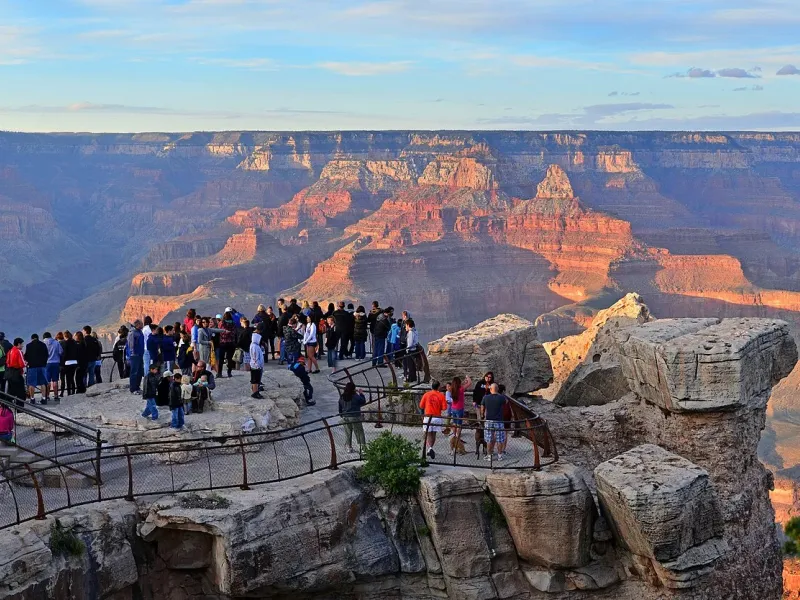
Mather Point sits near the Grand Canyon Visitor Center and is many visitors' first look into the canyon. The park lists it as offering wheelchair-accessible views across the canyon toward Phantom Ranch. It is also a popular place to watch the sunset, so plan extra time on busy evenings.
-
Trail of Time and Yavapai Geology Museum
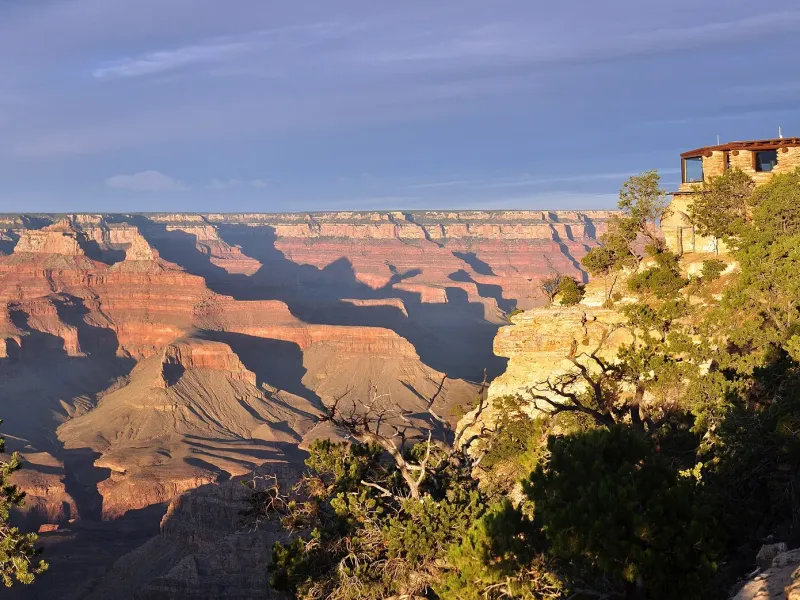
The Trail of Time is a wheelchair-accessible 1.3-mile path along the rim between Verkamp's Visitor Center and the Yavapai Geology Museum. Touchable samples of the canyon's rocks line the route, turning a level walk into a lesson in deep time. The museum is also a stop on the Kaibab Rim (Orange) shuttle route.
-
Grand Canyon Village Historic District
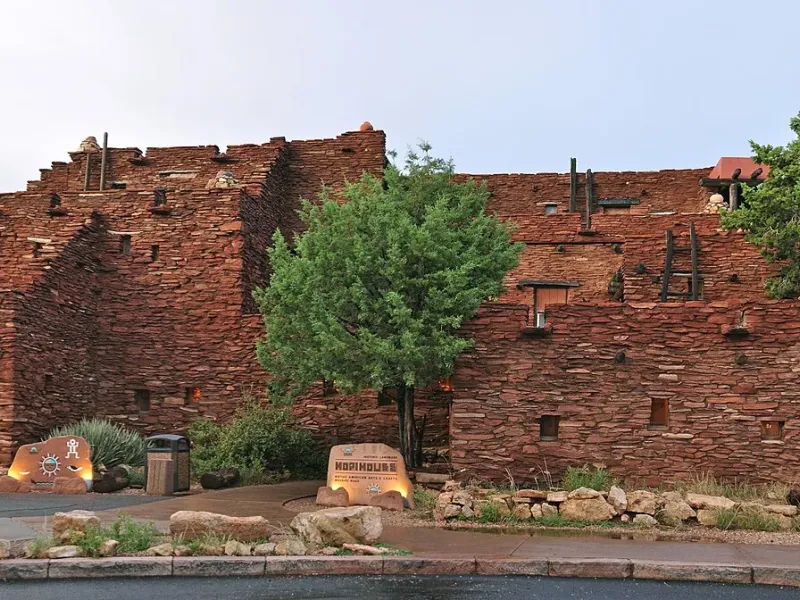
The village grew after a Santa Fe Railway spur line reached the South Rim in 1901. Historic buildings such as El Tovar, Hopi House, Lookout Studio and Kolb Studio fill the district, and Verkamp's Visitor Center explains the village's past. Grand Canyon Railway trains from Williams still arrive daily at the historic depot.
-
Hermit Road and Hopi Point
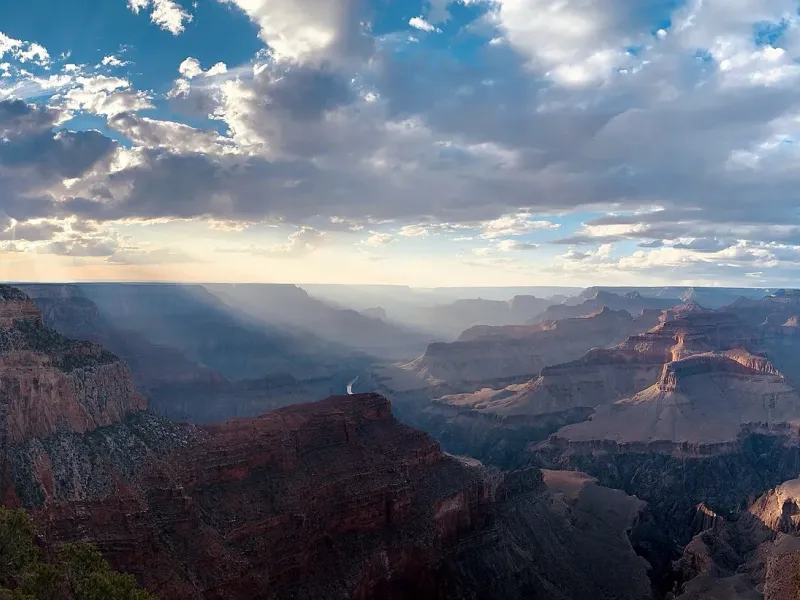
Hermit Road follows the rim for 7 miles to Hermits Rest, with nine designated viewpoints served by the Hermit Road (Red) shuttle. For most of the year the road is closed to private vehicles, so the shuttle is the way in. Hopi Point, the highest point on the road, gives one of the widest east to west views, including the Colorado River.
-
Desert View Drive and Watchtower
Desert View Drive runs 23 miles along the South Rim from Grand Canyon Village to Desert View, with parking at every developed viewpoint. At the end, the Desert View Watchtower, designed by Mary Colter, overlooks the Colorado River and the Painted Desert. The tower's upper floors are reached only by stairs, while the ground-level View Room is easier to visit.
-
The North Rim
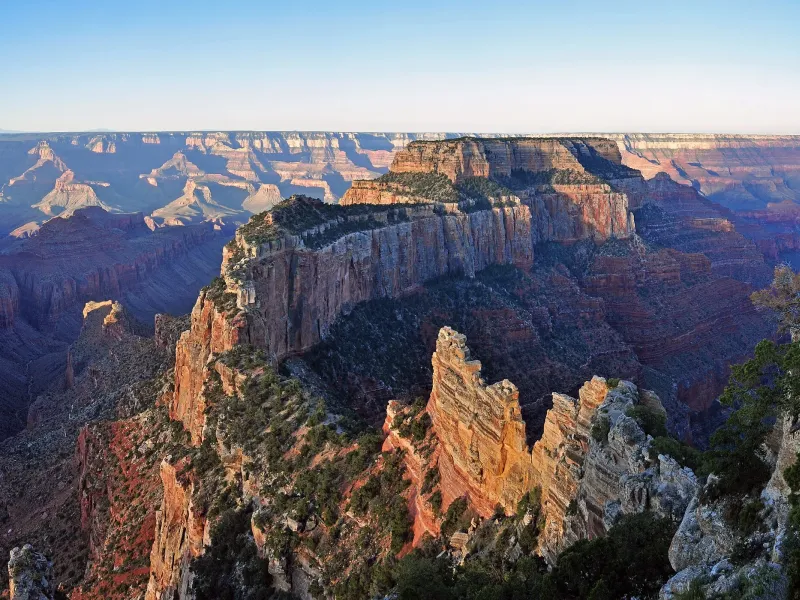
The North Rim is about 212 miles by road from the South Rim village, and it closes to all vehicles every winter. The 2025 Dragon Bravo Fire caused significant losses to infrastructure, including the historic Grand Canyon Lodge. NPS describes it as a remote, limited-services destination where services are expected to return gradually in future seasons, so check its status page before planning a visit.
Before you go
Grand Canyon
Travel Guide & Tips
-
Best Time to Visit Grand Canyon
The South Rim is open 24 hours a day, every day of the year. Spring break, the summer months and fall weekends are the busiest periods, with traffic and parking pressure, while November through February is the least crowded time but brings winter weather. Late spring and fall sit outside both the summer peak and the winter season, which is why April, May, September, October and November suit many group itineraries.
Summer thunderstorms, usually July through September, bring dangerous lightning to the exposed rim, and NPS urges caution for all hikers from May through September because of high inner canyon temperatures. The North Rim keeps a separate, short season that is limited in recent years; check the NPS North Rim status page for the current dates and services before you plan around it.
Suggested trip length: 2 to 3 days.
-
Getting There & Getting Around
- Nearest major airports: Phoenix, about a four-hour drive to the South Rim, and Las Vegas, about 278 miles away by road. Flagstaff also has commercial service and is about 90 minutes from the South Entrance, and Grand Canyon Airport near Tusayan has limited service.
- The South Entrance is 6 miles north of Tusayan and about 60 minutes from Williams on Interstate 40. The East Entrance at Desert View is 25 miles west of Cameron, on the Navajo Nation.
- By rail: Grand Canyon Railway runs train service from Williams to the historic South Rim depot, and Amtrak serves Flagstaff with connecting bus service to the canyon.
- Free South Rim shuttle buses link the visitor center, the village, viewpoints and trailheads, and the routes and schedules change by season. In summer, the Tusayan (Purple) Route has connected Tusayan hotels to the visitor center; riders need a valid park entrance pass.
- Lodging: since August 31, 2026, NPS has halted overnight lodging inside the park because a flash flood damaged the Transcanyon Waterline, and the park remains open for day use. Hotels in Tusayan, 7 miles south of the village, are not affected, and Williams and Flagstaff offer more choice. Check the NPS lodging page for the current status.
- Driving between the rims: the South Rim and North Rim villages are about 212 miles apart by road, roughly four and a half hours, even though the canyon averages only 10 miles across.
-
Grand Canyon Travel Tips
- No reservation or timed entry has been needed to enter the park in recent seasons. Visit on a weekday if you can, and in busy periods arrive at an entrance station before 10 a.m. or after 2 p.m. to cut the wait.
- The park charges an entrance fee and does not accept cash at its entrance stations. The America the Beautiful pass covers entrance fees at national parks, and visitors who are not U.S. residents may owe an additional per-person fee. See the NPS fees page for current details.
- The South Rim averages about 7,000 feet above sea level. Walking at this elevation can be strenuous, and visitors with heart or respiratory problems may have difficulties, so pace the day and carry water.
- Much of the rim has steep, unfenced drop-offs. Keep children within reach and stay on trails and behind walls at viewpoints.
- Stay at least 100 feet from elk, which the park calls one of its most dangerous animals, and never feed wildlife. Look for California condors near Bright Angel Lodge in the late afternoon during the warmer months.
- Download the NPS App and the park's content before you arrive so maps work offline in areas with weak service, and keep your fuel tank full because services are far apart in this region.
- Arizona stays on Mountain Standard Time all year and does not observe daylight saving time, while the Navajo Nation does. Clocks on the Navajo Nation east of Desert View can run an hour ahead of the park in summer.
Signature experiences
Signature Grand Canyon
Experiences
-
Accessible and Senior-Friendly Sightseeing
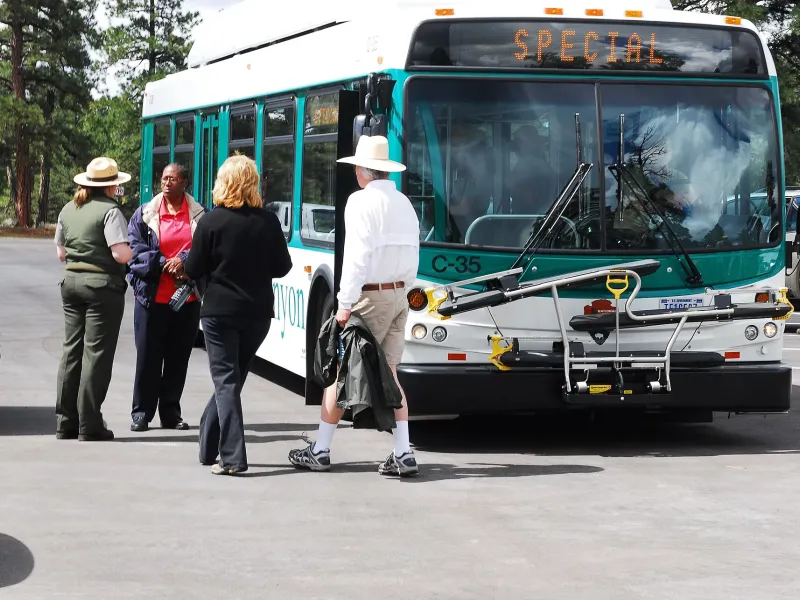
All South Rim shuttle buses are wheelchair accessible, though very large wheelchairs and most motorized scooters do not fit. The park lists wheelchair-accessible views at Mather Point and along the 1.3-mile Trail of Time, and the Rim Trail is wheelchair accessible from Monument Creek Vista to Hermits Rest. A Scenic Drive Accessibility Permit, available at entrance stations and visitor centers, lets visitors with mobility issues drive some roads closed to private traffic. Plan for the 7,000-foot elevation and keep walking distances short.
-
Wildlife and Safety
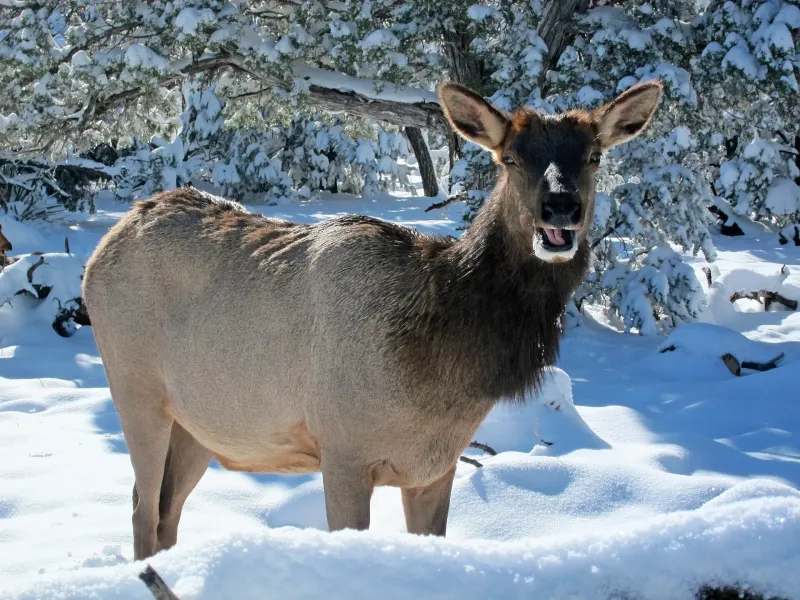
Elk graze in the South Rim forests and often linger near water sources and buildings, so give them at least 100 feet, and extra room during the rut and calving seasons. California condors soar over the canyon and are seen regularly from the South Rim in warmer months. Hiking below the rim is the bigger risk: an easy descent is followed by a strenuous climb out, and summer inner canyon temperatures can exceed 110°F. Our advisors build days around the rim and keep any hike short, early and well supplied.
-
Suggested Itinerary: Three Days on the South Rim
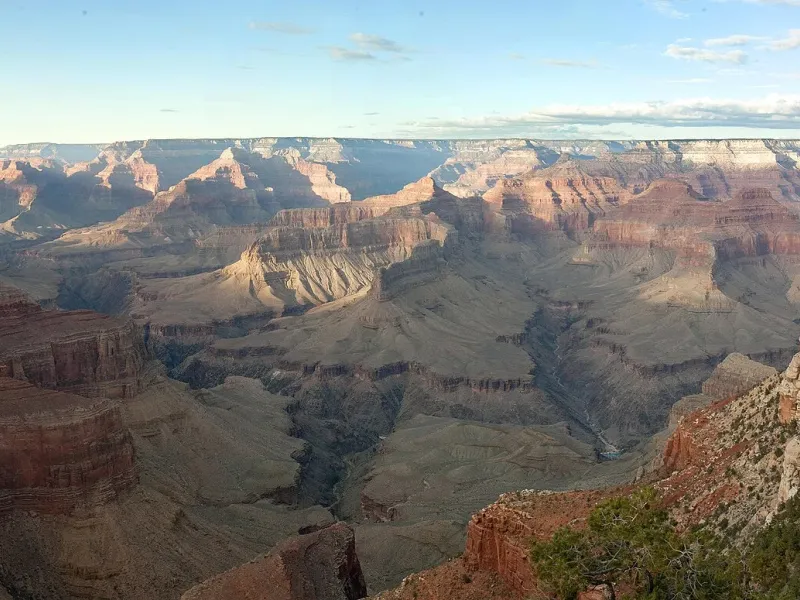
Day one could start at the visitor center and Mather Point, then follow the Trail of Time to the Yavapai Geology Museum before sunset at a rim viewpoint. Day two could ride the Hermit Road shuttle out to Hermits Rest, stopping at Hopi Point, then explore the Village Historic District. Day three could drive Desert View Drive to the Watchtower and the Tusayan Pueblo site before leaving by the East Entrance. This is a suggested plan our advisors adapt to your group, not a scheduled departure.
LABUSA Travel advisors plan Grand Canyon trips for individuals, families, seniors and organized groups. We match lodging in gateway towns to your route, pace the days around shuttle schedules and elevation, and combine the canyon with other Southwest parks when the trip allows. Keep planning with our U.S. National Parks collection, our in-depth Grand Canyon: Visitor and Heritage Guide, accessible travel in the United States and the United States for senior travelers.
Conditions at the Grand Canyon change often, and 2026 brought major closures from fire recovery and flood damage. Before you travel, check the official NPS site for current alerts, lodging status, North Rim status, shuttle schedules and fees. Visit the official Grand Canyon National Park website.
Common questions
Grand Canyon Travel FAQs
- Is the North Rim open?
- The North Rim is a seasonal area, and it is closed to all vehicles every winter from December 1 to May 14. After the 2025 Dragon Bravo Fire, NPS has offered limited services there and expects them to return gradually in future seasons. Check the NPS North Rim status page for the current season and services.
- Can we stay overnight inside the park?
- Since August 31, 2026, NPS has halted overnight lodging inside the park because a flash flood damaged the park's water supply line, and only dry camping has been allowed on the South Rim. The park remains open for day use, and hotels in Tusayan are not affected. Check the NPS lodging page for the latest status before booking.
- Do we need a reservation to enter Grand Canyon National Park?
- In recent seasons the park has not required an entry reservation or timed entry. You do need an entrance pass, and the park accepts only cards at its entrance stations. Camping and overnight backcountry trips need separate reservations or permits.
- Is the Grand Canyon a good choice for seniors or travelers with limited mobility?
- Yes, with planning. Accessible shuttles, the paved Trail of Time and accessible views at Mather Point let travelers see the canyon without hiking. The 7,000-foot elevation and summer heat are the main things to plan around.
- How many days should we plan?
- Two to three days on the South Rim covers the main viewpoints along Hermit Road, the village and Desert View Drive at an easy pace. Visiting the North Rim as well takes extra days, because the drive between the rims is about four and a half hours each way.