
Why visit
Why Visit Glacier with LABUSA Travel
One Road Across the Continental Divide
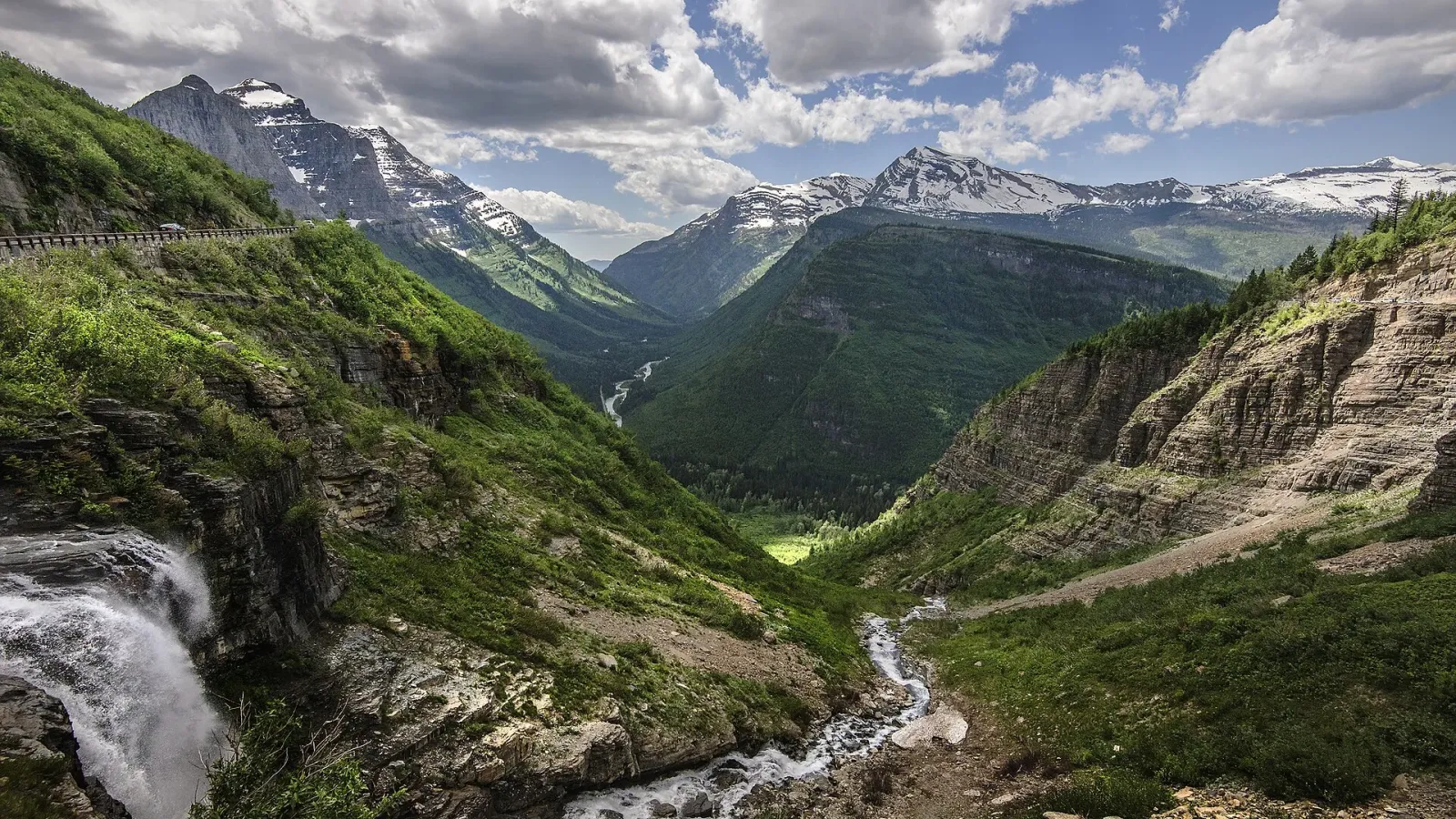
Going-to-the-Sun Road runs about 50 miles across the park and climbs to Logan Pass at 6,646 feet. NPS estimates the full drive takes about two hours without stops, so most travelers give it a full day. Paved overlooks along the way let everyone in the group take in the high country from the roadside.
Lakes and Valleys Carved by Ice
Lake McDonald, the largest lake in the park, is about 10 miles long and nearly 500 feet deep, a direct result of glacial carving. On the east side, Many Glacier sits where four major valleys meet, two of them holding glaciers. Boat tours and lakeside walks make these places easy to enjoy at an unhurried pace.
Living Tribal Connections
NPS describes the lands of Glacier as part of the history and culture of the Blackfeet, Salish, Pend d'Oreille and Kootenai tribes. The Blackfeet Indian Reservation shares the park's eastern border, and the Confederated Salish and Kootenai Tribes live on the Flathead Indian Reservation to the southwest. Native America Speaks programs and exhibits at St. Mary Visitor Center share these perspectives in tribal members' own voices.
Top places to visit
Top Places to Visit
in Glacier
-
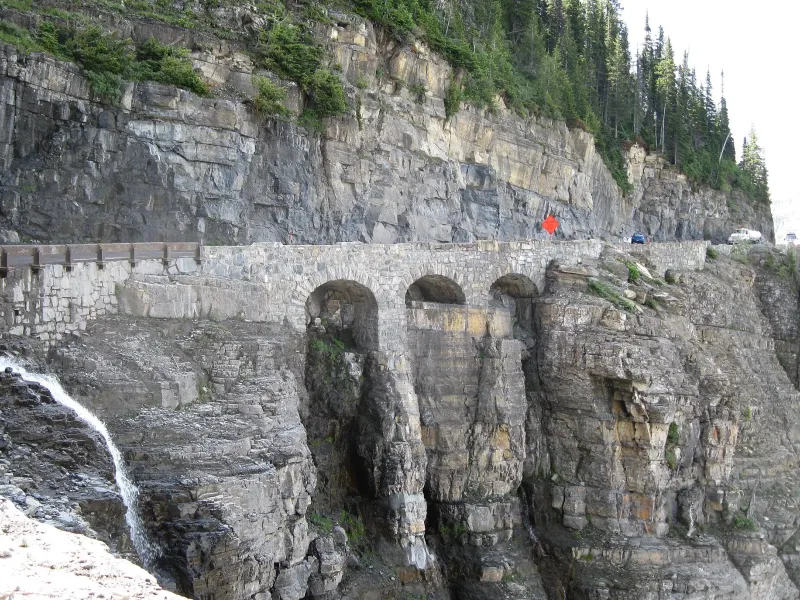
Going-to-the-Sun Road
This 50-mile road links West Glacier and St. Mary through forest, alpine meadow and rock cliff. Lower sections stay open all year, but the alpine stretch over Logan Pass opens only after crews finish plowing, which has typically meant early July. Vehicles longer than 21 feet or wider than 8 feet may not drive between Avalanche Creek and Rising Sun, so groups on larger coaches need a plan for that section.
-
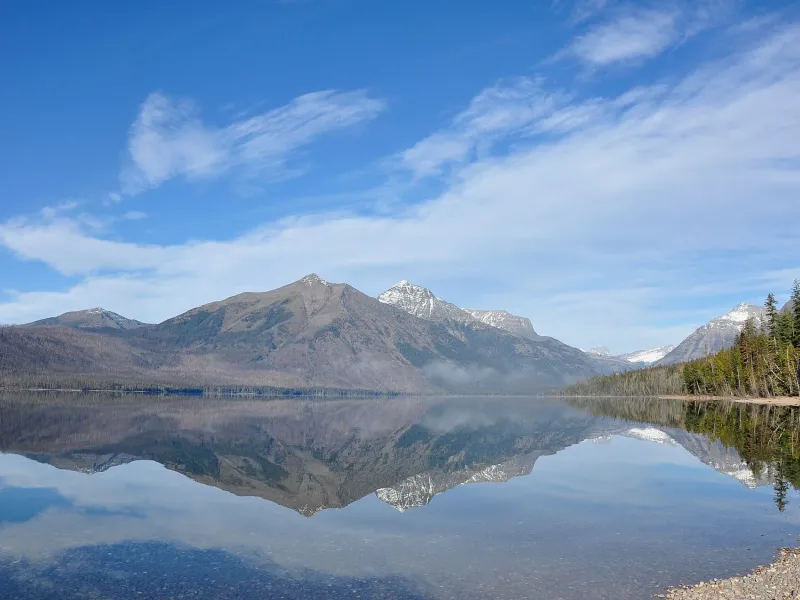
Lake McDonald
The park's largest lake fills a broad, glacier-carved valley on the west side. Historic Lake McDonald Lodge, built in 1913 and 1914, sits on the shore with a dock for scenic boat tours and rentals. NPS notes an accessible lakeside walk along the cabins to the boat dock, and the boat tours there are accessible.
-
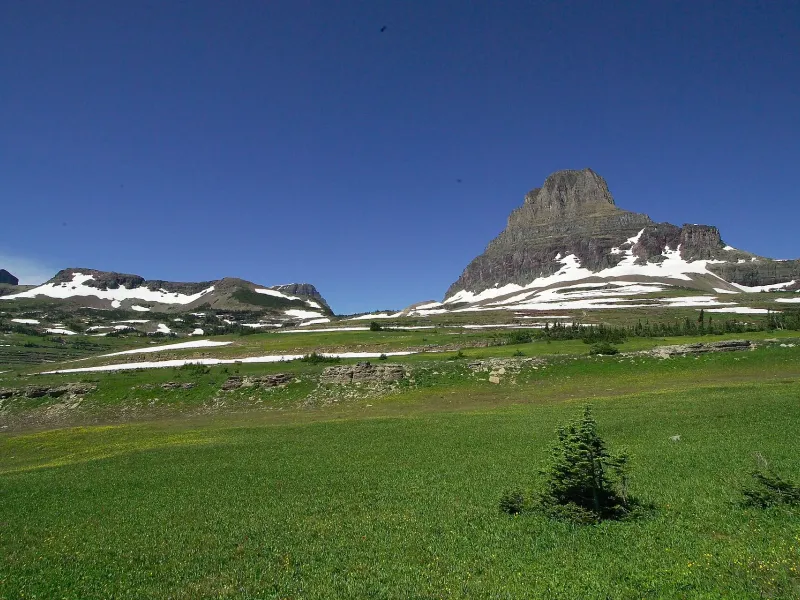
Logan Pass
Logan Pass is where Going-to-the-Sun Road crosses the Continental Divide, the highest point in the park reachable by vehicle. A ramp and paved walkway at the visitor center give views and exhibits, and mountain goats and bighorn sheep are consistently seen nearby. The parking lot usually fills by sunrise in summer, and in recent seasons NPS has limited private vehicle parking here to a few hours.
-
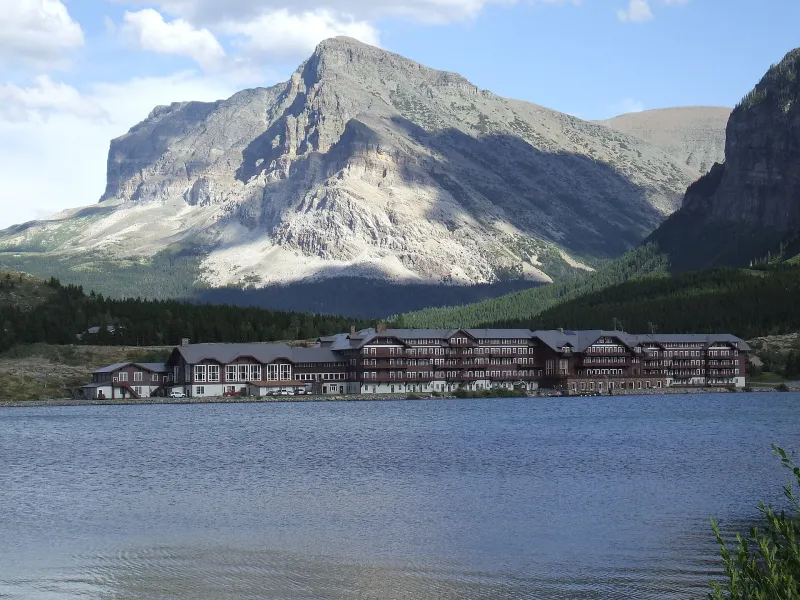
Many Glacier
Reached by its own entrance west of Babb, Many Glacier lies where four valleys converge and is home to some of the park's best-known landmarks and hikes. Many Glacier Hotel stands on the edge of Swiftcurrent Lake, and its lake-side lower level and boat docks are accessible. The short Swiftcurrent Nature Trail begins at the Grinnell Glacier Trailhead.
-
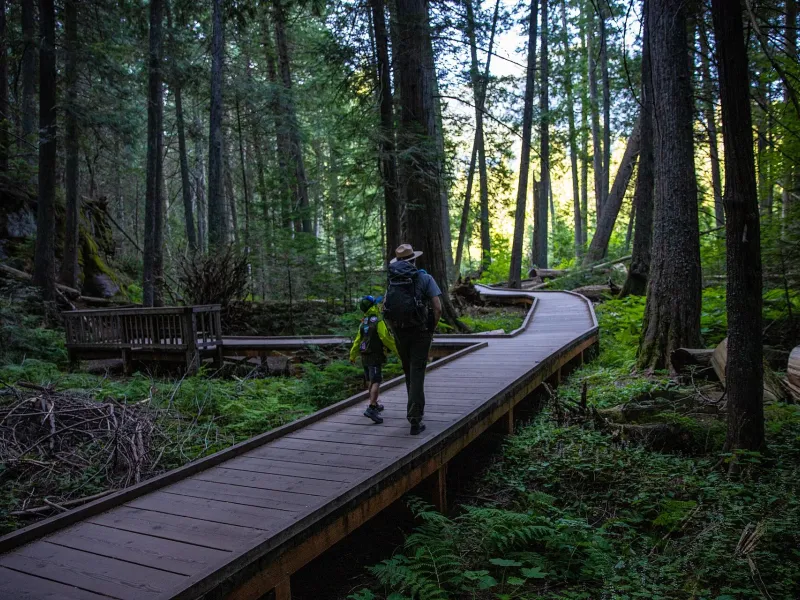
Trail of the Cedars
Starting at the Avalanche Picnic Area, this 0.7-mile trail loops through old growth cedars on a boardwalk and polymer surface that NPS lists as accessible. It is one of the easiest ways for every generation in a group to walk among the park's big trees. Parking at Avalanche Creek fills early, and in 2026 the area was not served by the park shuttle.
-
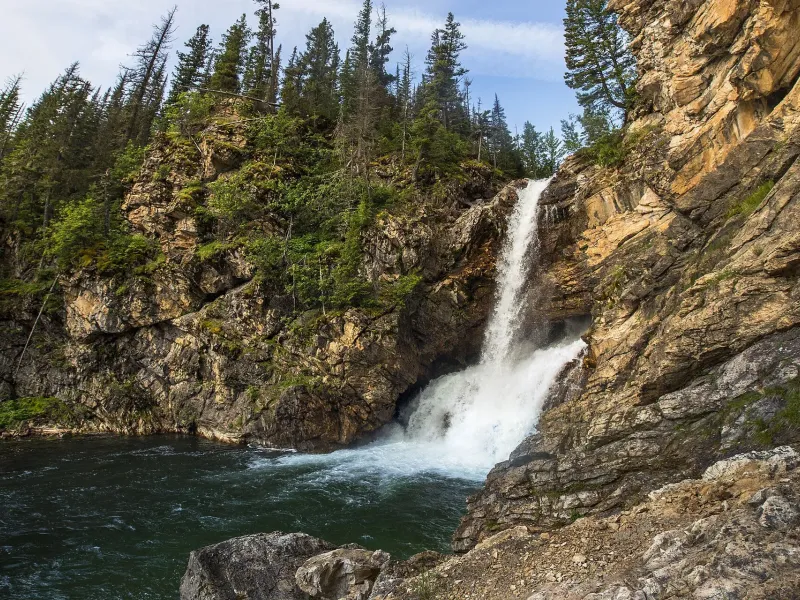
Two Medicine and Running Eagle Falls
Entered just northwest of the town of East Glacier Park, Two Medicine is a popular alternative to the Going-to-the-Sun Road corridor. Its high lake is ringed by peaks and served by a camp store, campground and scenic boat cruises. Just over a mile from the entrance, the 0.3-mile Running Eagle Falls nature trail is accessible to both wheelchairs and strollers.
Before you go
Glacier
Travel Guide & Tips
-
Best Time to Visit Glacier
July through mid-September is the most practical window for a first visit, because that is when Going-to-the-Sun Road has typically been open over Logan Pass. NPS says there is no set opening date, since spring snowstorms and avalanches affect plowing, and the alpine section typically closes around the third Monday of October, earlier if winter weather arrives.
Summer is also the busiest time, with about three million people visiting during each summer season and popular parking areas filling before sunrise. September brings cooler days and thinner crowds, though NPS notes snow may fall even at lower elevations as early as mid-September. Expect cool nights in any month, and roughly 10 to 15 degrees cooler air at Logan Pass than at West Glacier.
Suggested trip length: 3 to 5 days.
-
Getting There & Getting Around
- Glacier Park International Airport near Kalispell is about 30 miles from the West Entrance. Missoula International Airport is about 150 miles south, and Great Falls International Airport is roughly 130 to 165 miles from the east-side entrances.
- The West Entrance at West Glacier is reached by Highway 2, about 33 miles from Kalispell. The east-side entrances at St. Mary, Many Glacier and Two Medicine are reached by Highway 89 through Browning.
- Amtrak's Empire Builder stops year-round at West Glacier and seasonally at East Glacier Park. Inside the park, guided tours include the historic Red Bus Tours and Sun Tours, which share the Blackfeet perspective on the park.
- Lodges inside the park include Lake McDonald Lodge, Many Glacier Hotel, Rising Sun Motor Inn, Swiftcurrent Motor Inn, Village Inn Motel, Apgar Village Lodge and Motel Lake McDonald, plus two backcountry chalets reached on foot. They book far ahead, which is why advisors start early.
- NPS lists approximate drive times of two hours from West Glacier to St. Mary on Going-to-the-Sun Road, two and a half hours from West Glacier to Many Glacier, and 40 minutes from St. Mary to Many Glacier. There is no fuel inside the park.
- In recent seasons the park has run a summer shuttle on Going-to-the-Sun Road that changes from year to year. In 2026 it was a ticketed Logan Pass express service booked on Recreation.gov, so check the NPS shuttle page for the current format.
-
Glacier Travel Tips
- Entry rules change from year to year. Glacier required vehicle reservations for several areas in recent seasons, but NPS said none were required in 2026, when it piloted three-hour timed parking at Logan Pass and a ticketed shuttle instead. Check the NPS site for this year's system before you book anything.
- The park charges an entrance fee and does not accept cash. The America the Beautiful pass covers entrance fees at national parks, and nonresident visitors 16 and older pay an additional per-person fee. See the NPS fees page for current details.
- Weather differs sharply between the west and east sides of the Continental Divide, and snow can fall in any month at high elevation. Pack layers and rain gear even for a warm summer day.
- Glacier is bear country with both black bears and grizzly bears. Stay at least 100 yards from bears and wolves and 25 yards from all other wildlife, carry bear spray on trails, and never stop on the road beside a roadside bear.
- Cell service is very limited. Most visitors find reception from West Glacier to Apgar Village and limited coverage in St. Mary, with none expected at Many Glacier, Two Medicine or Logan Pass. Download maps and confirmations before you arrive.
- The park observes Mountain Time, including daylight saving time, and the Chief Mountain border crossing to Canada is seasonal, so confirm hours and carry passports if your plans include Waterton Lakes National Park.
Signature experiences
Signature Glacier
Experiences
-
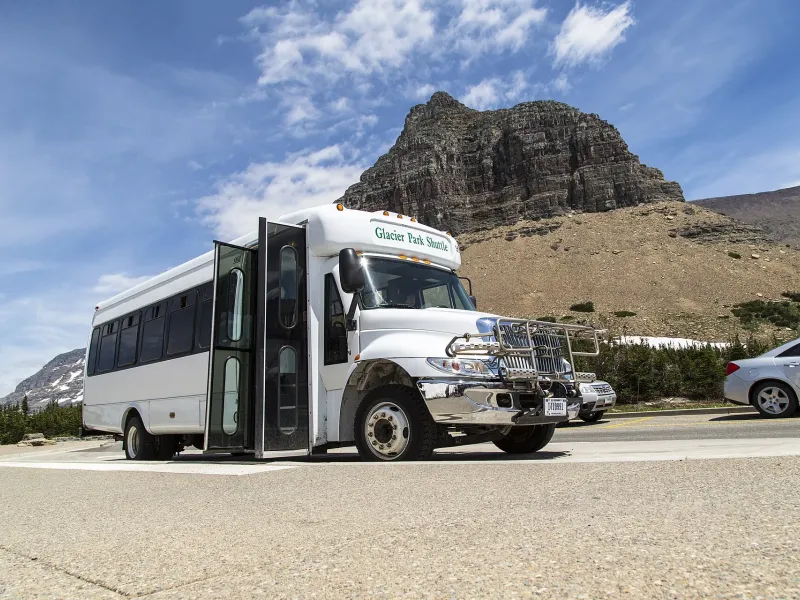
Accessible and Senior-Friendly Sightseeing
NPS identifies several accessible stops along Going-to-the-Sun Road, including the paved overlook at The Loop, the graded path to McDonald Falls and the boardwalk at Oberlin Bend. Trail of the Cedars and the paved Apgar Bike Path are accessible walks, and the ramp and terrace at Logan Pass Visitor Center offer high-country views without a hike. Park shuttles are wheelchair accessible, and Sun Tours coaches have lifts. Remember that Logan Pass sits at 6,646 feet, and that some roadside drop-offs are steep.
-
Wildlife and Safety
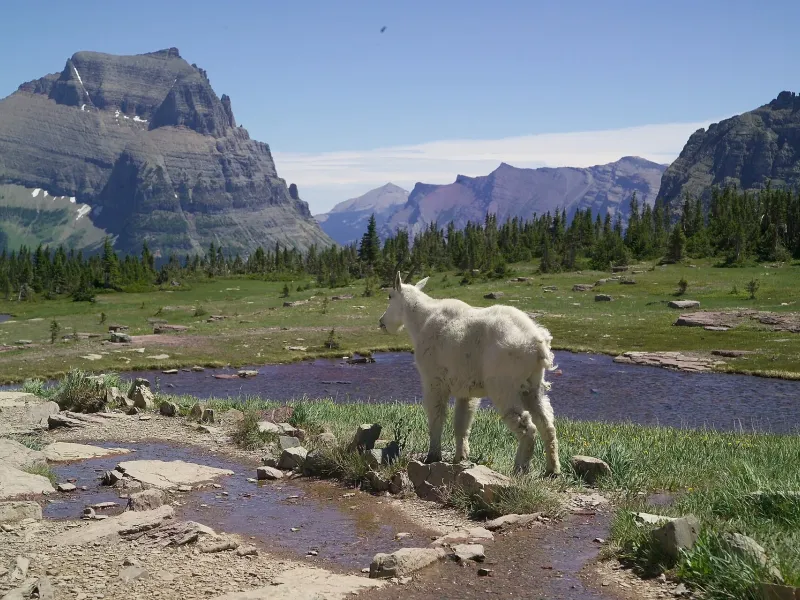
Mountain goats and bighorn sheep are consistently seen near Logan Pass, and grizzly bears are often seen near Two Dog Flats on the east side. Keep at least 100 yards from bears and wolves and 25 yards from other wildlife, and use binoculars or a long lens rather than closing the distance. On trails, hike in groups, make noise and carry bear spray where you can reach it. Store all food and scented items properly, because bears that get human food must be removed from the park.
-
Suggested Itinerary: Four Days on Both Sides of the Divide
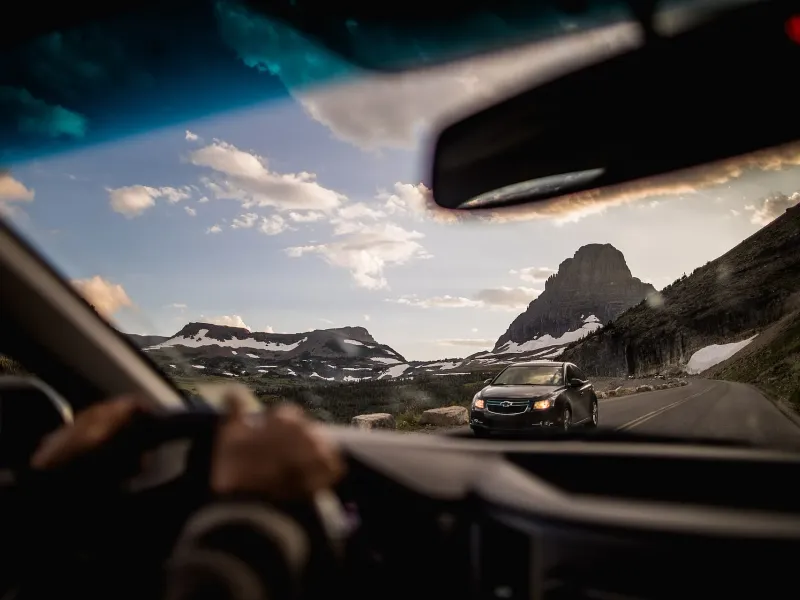
Day one settles the group at Lake McDonald with a lakeside walk and a boat tour. Day two follows Going-to-the-Sun Road over Logan Pass with stops at Trail of the Cedars and the accessible overlooks, ending on the east side near St. Mary. Day three is for Many Glacier, and day four adds Two Medicine and Running Eagle Falls before departure. This is a suggested plan our advisors adapt to your group and to the year's road and shuttle rules, not a scheduled departure.
LABUSA Travel Advisors plan Glacier trips for individuals, families, seniors and organized groups. We match lodging on the right side of the park to your interests, build practical driving days around Going-to-the-Sun Road and the season's entry rules, and keep accessible options in every plan. Keep planning with our U.S. National Parks collection, accessible travel in the United States and the United States for senior travelers.
Road openings, shuttles, parking limits and fees at Glacier change from season to season. Before you travel, check the official NPS site at nps.gov/glac for current conditions, alerts and this year's access rules. Visit the official Glacier National Park website.
Common questions
Glacier Travel FAQs
- Do I need a vehicle reservation to visit Glacier National Park?
- It depends on the year. Glacier required vehicle reservations for several areas in recent seasons, but NPS said none were required anywhere in the park in 2026. That year the park instead limited parking at Logan Pass to three hours and required tickets for the Logan Pass shuttle. Check the NPS site for the current season's rules.
- When does Going-to-the-Sun Road open over Logan Pass?
- There is no set date, because plowing depends on snowfall, avalanches and spring storms. NPS says the road has typically been fully open by early July. The alpine section typically closes around the third Monday of October, or earlier if winter weather arrives. Lower sections near the West Entrance stay open year-round.
- Is Glacier a good park for seniors or travelers with limited mobility?
- Yes, with planning. Driving Going-to-the-Sun Road, the accessible overlooks along it, Trail of the Cedars, Running Eagle Falls and the Lake McDonald Lodge lakeside walk all suit travelers who prefer short, level outings. Park shuttles are wheelchair accessible, and accessible tour coaches are available. Many of the famous trails, however, are long and strenuous.
- Which tribes are connected to Glacier National Park?
- NPS describes the park's lands as part of the history and culture of the Blackfeet, Salish, Pend d'Oreille and Kootenai tribes. Today the Blackfeet Nation lives on the Blackfeet Indian Reservation along the park's eastern border, and the Confederated Salish and Kootenai Tribes live on the Flathead Indian Reservation. Visitors can hear from tribal members at Native America Speaks programs.
- How many days should we plan for Glacier?
- Plan three to five days. That allows a full day for Going-to-the-Sun Road and time for both the west side around Lake McDonald and the east side at Many Glacier or Two Medicine, which have their own entrances. Drive times between areas are long, so splitting lodging between the two sides saves time.