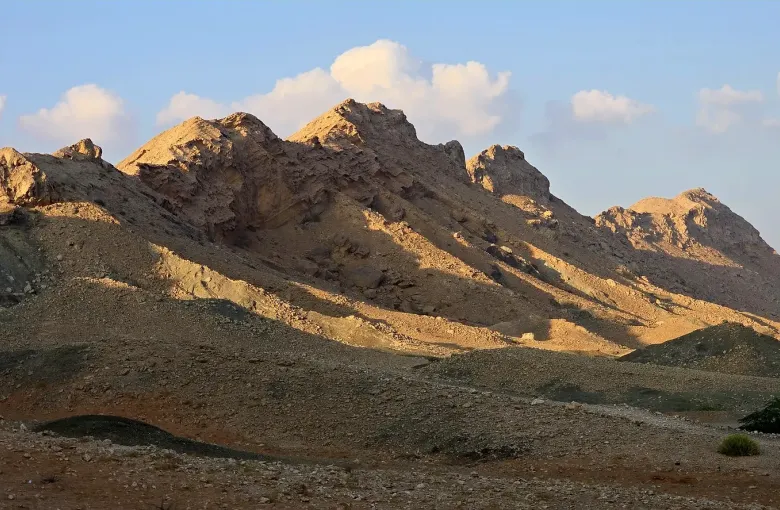
The short version
Al Ain sits inland on the border with Oman, about ninety minutes from either Dubai or Abu Dhabi. UNESCO inscribed its cultural sites in 2011 under criteria (iii), (iv) and (v), the first UAE property on the list. It is a serial inscription rather than a single monument: oases, tombs, settlements and water systems together.
What it actually is
A record of continuous human occupation of a desert oasis from the Neolithic onward. The components include the Hafit period tombs, the Bronze Age settlement and tombs at Hili, and the oases themselves with their falaj irrigation channels, which move water underground from the mountains so that it does not evaporate on the way.
That last part is the reason to come. The falaj is a piece of engineering that made permanent settlement possible in a place with no reliable surface water, and it is still running. Walking a shaded oasis path between date palms with water audibly moving beside you explains the whole region better than any museum can.
What to see
Al Ain Oasis for the falaj and the palms. Hili Archaeological Park for the Bronze Age tombs, the grand tomb in particular. The Hafit period beehive tombs on the slopes below Jebel Hafit, which are among the oldest standing structures in the country. Al Jahili Fort, which is later but sits in the same story.
Visiting
It is a day from either coast, and the oasis is the coolest ground you will stand on in this country because that is what it was built to be. Everything else is exposed. See best time to visit.
Verify Before You Travel
The inscription record is on UNESCO's page for the Cultural Sites of Al Ain. Next: the Faya Palaeolandscape and Wadi Wurayah.
Sources
- UNESCO World Heritage Centre: the inscription of the Cultural Sites of Al Ain in 2011 under criteria (iii)(iv)(v). Accessed 15 September 2026.
- UNESCO World Heritage Centre: the UAE’s State Party record: three properties inscribed on the World Heritage List. Accessed 15 September 2026.
- UK Foreign, Commonwealth & Development Office: United Arab Emirates travel advice: the FCDO issues no advisory against travel to any part of the UAE. Accessed 15 September 2026.
Other Articles

Best Time to Visit the United Arab Emirates
What to Pack for the United Arab Emirates