The short version
Packing for Tanzania on the basis of "it is in East Africa, so it is hot" is how people end up cold. The country contains an equatorial coast, a temperate highland plateau and a glaciated summit, and a single itinerary can touch all three inside a week.
Three climates you may meet on one trip
- The coast and Zanzibar. Hot and humid, moderated by the ocean. This is the climate most people picture when they think of the country.
- The northern highlands and the safari circuit. Higher, drier and markedly cooler, particularly at dawn. Game drives start early, in open vehicles, at altitude. Morning temperatures on the crater rim surprise people every single trip.
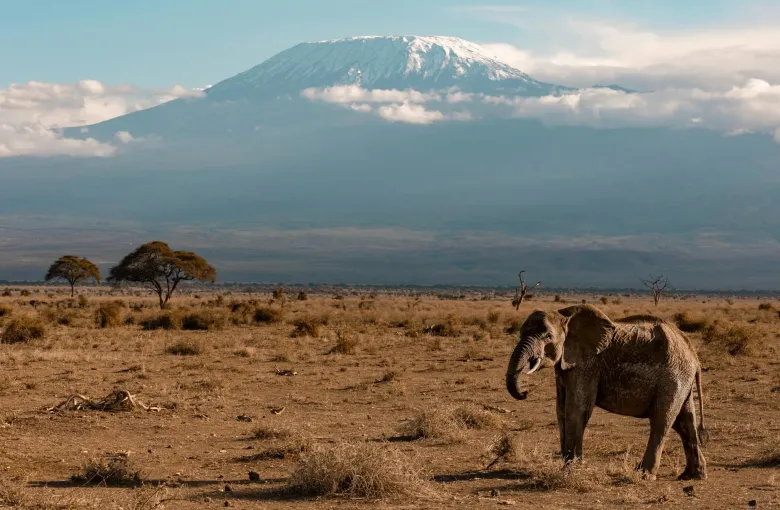
- Kilimanjaro. A climb passes through several distinct ecological zones on the way up, ending in genuine alpine conditions with permanent ice. The mountain makes its own weather.
Rain
Tanzania's rainfall is seasonal, and the pattern is not uniform across the country: different zones have different regimes, which is exactly why a single national calendar misleads. The Tanzania Meteorological Authority is the national authority and publishes current forecasts and seasonal outlooks.
We link to it rather than reprinting a table. A rainfall calendar copied into a travel page is accurate on the day it is written and slowly stops being true afterwards, and there is no way for a reader to tell which they are looking at.
What to do with this
Plan clothing in layers rather than for a temperature, and expect to use all of them in one day if your itinerary combines a park and the coast. Our Tanzania packing list works through the specifics, and the best time to visit guide covers how the season interacts with what you actually want to do.
Planning with LABUSA Travel
We plan and manage Tanzania journeys for groups: itinerary design, park permits, lodges, internal flights and ground transport, and a single point of contact while you travel. Start with the Tanzania travel guide, or tell us what your group has in mind on the plan your trip form.
Other Articles
Best Time to Visit Tanzania