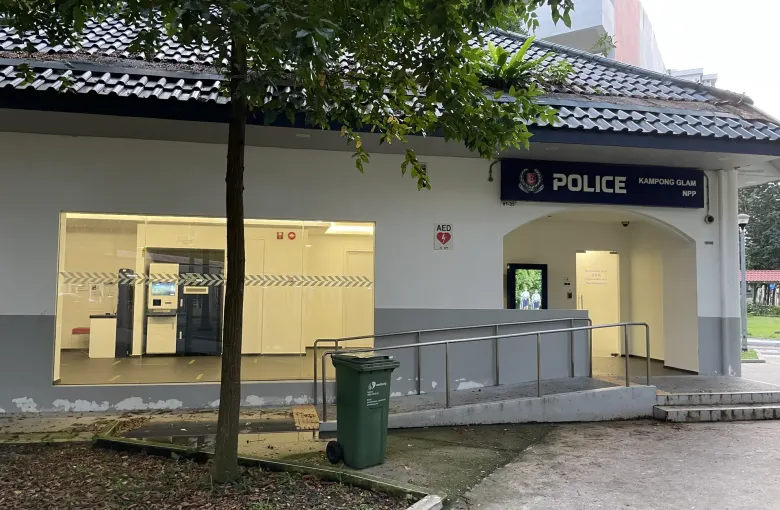
The hawker center is the answer to almost every question.
A hawker center is a covered hall of individual stalls with shared tables, and it is where most of this city eats most of the time. Each stall does one thing. The food is inexpensive by the standards of a wealthy city, the range in a single hall spans three culinary traditions, and the quality at the good stalls is as high as anything served on a tablecloth. A visitor who treats hawker centers as the main event rather than as a cheap option has understood the place.
How to eat in one without getting it wrong.
Find a table first, then order. Singaporeans reserve a seat by leaving a packet of tissues or a small personal item on it, which is called choping, and it is respected. Order at the stall and pay at the stall. Many take digital payment and some take only cash, so small notes are worth carrying.
Then return your tray. This used to be a courtesy and is now a rule with a penalty attached, and the return points are signed. Clearing your own table is the single most visible thing a visitor can do right in a hawker center.
The three kitchens, and what each brought.
Chinese, Malay and Indian cooking are the foundations, and the interesting part is where they met. Chinese stalls brought the noodle and rice-based dishes, the roasted meats and the soups. Malay cooking brought the coconut, the chili pastes and the grilled fish. Indian kitchens brought the breads, the biryanis and the dosa, and in this city produced dishes that exist nowhere in India.
Then there is Peranakan cooking, the cuisine of the Straits Chinese communities, which is the result of those kitchens living alongside each other for generations rather than merely trading. It is the food a visitor is least likely to have eaten before and the one most specific to this part of the world. The diaspora and heritage guide in this cluster goes into the communities behind it.
Where to eat, by neighborhood.
Chinatown, Little India and Kampong Glam each have a food identity as strong as their architecture, and each is walkable from a station. Tekka in Little India is one of the best places in the city to eat South Indian food. Kampong Glam is where Malay and Middle Eastern cooking sit side by side. Chinatown's hall is among the busiest in the city and rewards going early or late.
One rule travels with two of those names. The safety advice this cluster cites records that drinking in a public place is illegal between 10:30pm and 7am, and names Geylang and Little India as Liquor Control Zones where public drinking is banned at weekends and on public holidays. A meal in a licensed restaurant in either area is unaffected; a beer carried along the street is not.
Halal, vegetarian and allergies.
Halal food is straightforward to find here and is clearly signed, because a substantial part of the population eats halal as a matter of course. Vegetarian food is equally available, particularly in the Indian and Chinese Buddhist traditions, and there are dedicated vegetarian stalls in most large halls. Allergies need the usual care and a little more, since shared woks and shared frying oil are how a hawker stall operates.
Water, and the heat.
The tap water is drinkable, which is not true of every city in the region, and a refillable bottle is the most useful thing in a day bag here. Drink more than you think you need. The health advice this cluster cites records that hand, foot and mouth disease is common in Singapore, which is a reason to wash hands before eating rather than a reason to avoid anything.
One last thing.
Eat at the stall with the line. It is the oldest advice in this city and it is still the best single heuristic available, because the people standing in it eat here every week and you do not.
Sources
- UK Foreign, Commonwealth and Development Office: records that violent crime and theft are rare in Singapore, that there are severe penalties for all drug offenses including when transiting through the airport, that foreigners who are not permanent residents are prohibited from attending outdoor demonstrations and that filming an illegal gathering is forbidden, and that drinking in a public place is illegal between 10:30pm and 7am with Liquor Control Zones where it is banned at weekends and on public holidays. Accessed 22 September 2026.
- UK Foreign, Commonwealth and Development Office: advises seeking advice at least 8 weeks before a trip, records Zika virus, dengue and chikungunya in Singapore and that hand, foot and mouth disease is common there, states that from June to October Singapore can experience high levels of pollution, and gives the Pollutant Standards Index as the place to check it. Accessed 22 September 2026.
Other Articles
Singapore Culture and Etiquette Guide
Singapore Heritage and Community Guide