Pack for the hours, not for the island.
If you are here for a day between docking and all-aboard, the useful question is what fits in one bag you are happy to carry in and out of a boat. Sun protection, water, a dry bag or a sealed pouch for a phone, something with a strap rather than a handle, and shoes you can get wet. Almost everything else is weight you will carry past the same shops twice.
If you are flying in for a week, the list is an ordinary warm-climate one and the only genuine additions are below.
Insect repellent is a health item here, not a comfort one.
This is the item that separates Roatan from a neighboring destination where it would be optional. The National Travel Health Network and Centre records that there is a low risk of malaria below 1,000m and in Roatán and other Bay Islands, with awareness of risk and bite avoidance recommended. The US Centers for Disease Control and Prevention describes the same island differently, listing it among the transmission areas and recommending prescription medicine for travelers going to certain areas of Honduras.
The two positions are set out properly, with the reason they differ, in the travel safety guide. For packing, what matters is that both authorities agree on the part you can put in a bag: repellent, and clothing that covers you at dusk and after dark, when the mosquitoes that carry it are feeding.
Whether you also need tablets is a question for a travel health professional and your own medical history, and it should be asked several weeks before you fly rather than the week before. It is not a question this page can answer for you.
Water, and the small print about medicines.
The FCDO advises that tap water is not generally safe to drink in Honduras, and that bottled water is cheap and widely available. On a day ashore that is a bottle you buy rather than a filter you pack.
It also notes that the legal status and regulation of some medicines prescribed or bought in one country can differ in another. If you take anything regularly, carry it in its original labeled packaging with a copy of the prescription, and do not rely on being able to replace it on a small island.
What you will want in the water.
Roatan's reef is close enough to shore that snorkelling is the default activity rather than an excursion, so a mask that fits is worth more than most things you could bring. If you dive, bring your certification and your logbook. The reason that matters more here than elsewhere, and the limits on what the island can do if something goes wrong, are in the travel safety guide.
Sources
- TravelHealthPro, National Travel Health Network and Centre: the Honduras country page: that the monetary unit is the lempira; and that there is a low risk of malaria below 1,000m and in Roatan and the other Bay Islands, for which awareness of risk and bite avoidance are the recommended response, with antimalarials considered in low risk areas only in exceptional circumstances. Accessed 21 September 2026.
- US Centers for Disease Control and Prevention: the Honduras traveler health page: that the CDC recommends travelers going to certain areas of Honduras take prescription medicine to prevent malaria; that its malaria transmission areas are given as throughout the country and on the island of Roatan and the other Bay Islands, with no transmission in San Pedro Sula or Tegucigalpa; and that it records no drug resistance, with the parasite predominantly Plasmodium vivax. Accessed 21 September 2026.
- UK Foreign, Commonwealth and Development Office: the Honduras health page: that the emergency medical number is 911 and a caller should ask for an ambulance; that travelers should confirm before traveling that the destination can provide the healthcare they may need and that their insurance covers local treatment or unexpected medical evacuation, which matters particularly for anyone with a health condition or who is pregnant; that vaccine recommendations should be checked at least 8 weeks before the trip and that the health risks it links to include Zika virus, malaria, dengue and yellow fever; that altitude sickness is a risk in parts of Honduras, which are inland and mountainous rather than on the Bay Islands; that tap water is not generally safe to drink while bottled water is cheap and widely available; and that the legal status and regulation of some medicines differs between countries. Accessed 21 September 2026.
Other Articles
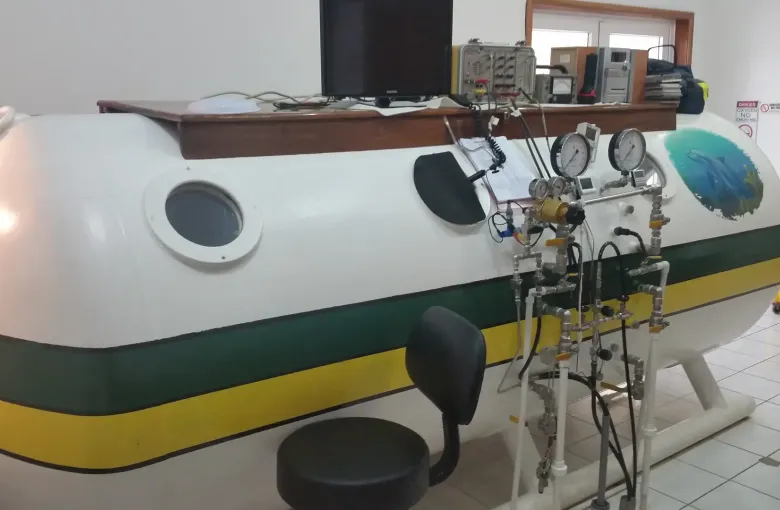
Roatan Travel Safety and Health
Roatan Weather: What Is Published and What Is Not