Nanduti takes its name from the Guarani for spider web, and the name is a description rather than a flourish. The lace is worked as a disc: threads are laid out from a center in radiating spokes on a round wooden frame, and the pattern is then filled in between them with a needle. The discs are joined into whatever the finished piece is going to be, from a collar to a tablecloth large enough to need months.
Its origins are mixed, which is true of almost everything in Paraguayan culture. The technique has clear links to lace traditions brought from the Iberian peninsula, including the sun patterns of Tenerife, and what happened to it here, in Guarani hands and with Guarani motifs, made it into something with no close relative anywhere.
Itaugua
The town sits about thirty kilometers east of Asuncion on the road toward Lake Ypacarai, and it is the center of the craft. Workshops and family houses along the main street sell directly, and the Museo San Rafael holds older pieces worth seeing before you buy anything, because half an hour with good examples changes what your eye notices.
The town holds a nanduti festival in the middle of the year, which is the best time to see the range of what is made and the worst time to have the place to yourself.
Buying it honestly
- Handwork is slow, and price reflects hours. A large tablecloth represents months of somebody's life. If a price seems impossibly low for the size, ask.
- Buy from the workshops and the makers rather than from a stall at an airport. The money reaches the person who did the work, and you can ask about the piece.
- Look at the back. Even tension, no gaps at the joins and a clean finish are what separate a good piece from a quick one.
- Bargaining hard over handwork is not the custom here and does not read well. Paying the asked price for something that took weeks is not being taken advantage of.
What is inscribed, and what is not
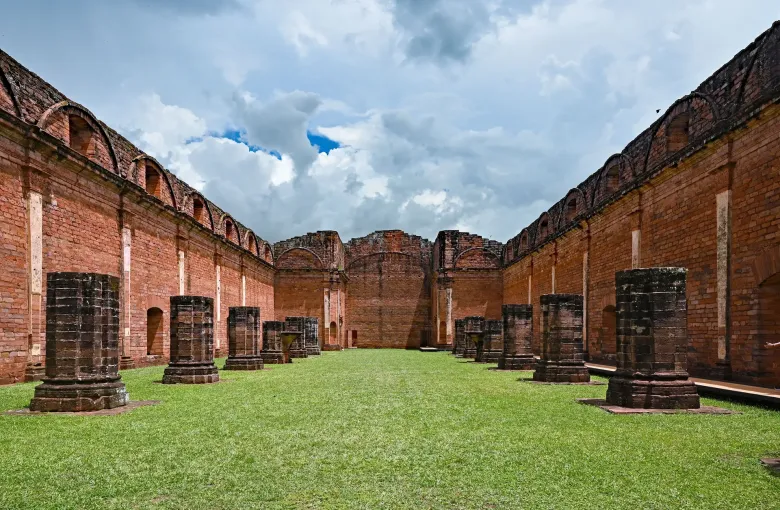
Neither Itaugua nor nanduti appears on the World Heritage List. Paraguay has one inscribed property, the Jesuit missions at Trinidad and Jesus de Tavarangue. What Paraguay does have on UNESCO's Representative List of Intangible Cultural Heritage is terere in the culture of Poha Nana, inscribed in 2020, which is a different list recording living practice rather than places. Both facts are worth stating plainly, because writing about craft towns tends to reach for whichever UNESCO word is nearest.
Practical
- Itaugua is an easy half day from Asuncion and combines naturally with Aregua and Lake Ypacarai on the same road.
- There is no reason to rush it. The craft is the attraction and the craft is slow.
- Buses run this route constantly. See the transportation guide.
Sources
- UNESCO World Heritage Centre: Paraguay States Party record: one property inscribed on the World Heritage List, and separately twelve sites on the Tentative List that Paraguay may consider for nomination in future, among them the Jesuit Mission of San Cosme y San Damian, the rock art of Jsukaevnda and Cerro Cora, Defensores del Chaco National Park, Medanos del Chaco National Park and the Paraguayan Pantanal. Accessed 17 September 2026.
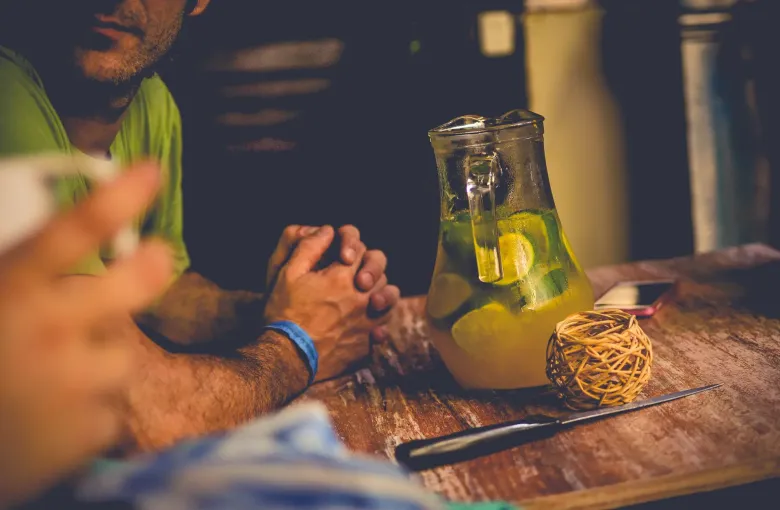
- UNESCO Intangible Cultural Heritage: Practices and traditional knowledge of Terere in the culture of Poha Nana, Guarani ancestral drink in Paraguay, inscribed on the Representative List in 2020, recording a drink prepared in a jug or thermos in which cold water is mixed with Poha Nana crushed in a mortar. Accessed 17 September 2026.
- UK Foreign, Commonwealth and Development Office: Paraguay travel advice: the index to the entry, safety, regional and health pages this cluster draws on, and the standing guidance that no travel can be guaranteed safe. Accessed 17 September 2026.
Other Articles
Paraguay and Diaspora Reconnection
Jesuit Missions Trinidad and Jesus: Visitor and Heritage Guide