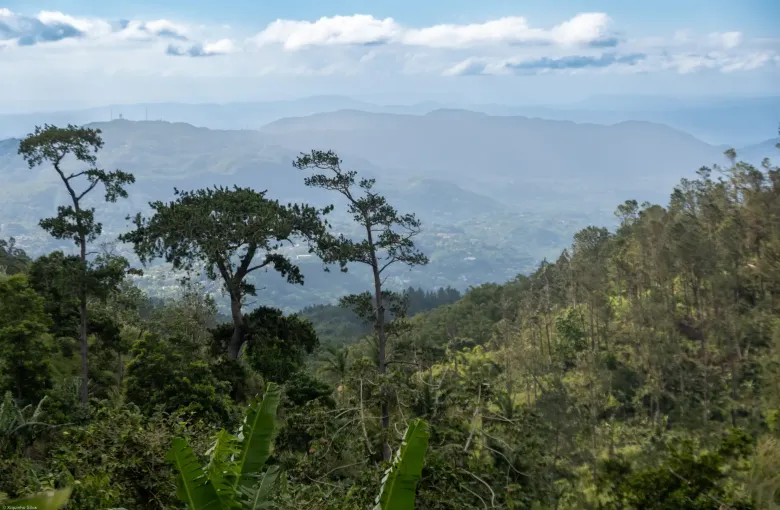
Jamaica is about a hundred and fifty miles long and a mountain range runs down much of it. That combination produces something small islands often do not have: real regional weather. A single forecast for the island tells you very little about the day you will actually experience, because where you are standing matters more than the date.
The coast
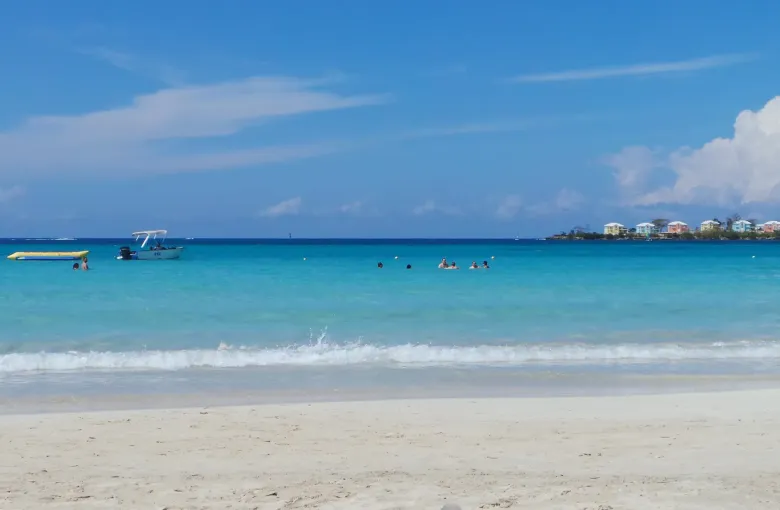
The resort coast is warm, bright and breezy for most of the year. Sea breezes take the edge off the middle of the day, and the heat that feels punishing inland is usually comfortable with water in front of you. Rain on the coast tends to be brief.
The interior and the mountains
Climb and everything changes. The Blue and John Crow Mountains hold cloud, and the ridges are frequently wrapped in it while the coast below is in full sun. It is cooler, wetter and greener, and the light is better. Visitors who plan only for the beach are routinely surprised by how cold a mountain morning can feel.
This is not a detail. It is the single most useful thing to know about Jamaican weather, because it means a bad forecast for one part of your trip is often irrelevant to another part on the same day.
What rain actually looks like
Jamaican rain in the wetter months is usually not a gray day. It builds through the afternoon, falls hard for a while, and clears. Plan the things that need dry weather for the morning and put something indoors or under a roof in the afternoon, and a wet season day is barely compromised.
What rain does reliably affect is the roads. Mountain roads and unpaved stretches degrade quickly, and water crossings can rise fast. If a drive is on the plan and it has been raining, allow more time than the distance suggests and ask locally rather than trusting a mapping app.
⚠ Hurricane season
The Atlantic hurricane season runs through the second half of the year. The practical advice is not to avoid it but to prepare for it: book accommodation and flights that can be changed, make sure you can receive official warnings while you are in the country, and buy insurance that covers travel disruption rather than only medical treatment.
If a system is forecast, follow the instructions of the Jamaican authorities and of your accommodation rather than making your own assessment. They have information you do not.
What this means for packing
- Light clothes for the coast, and something warm for altitude in every month.
- A rain layer that packs small, rather than an umbrella that will not survive wind.
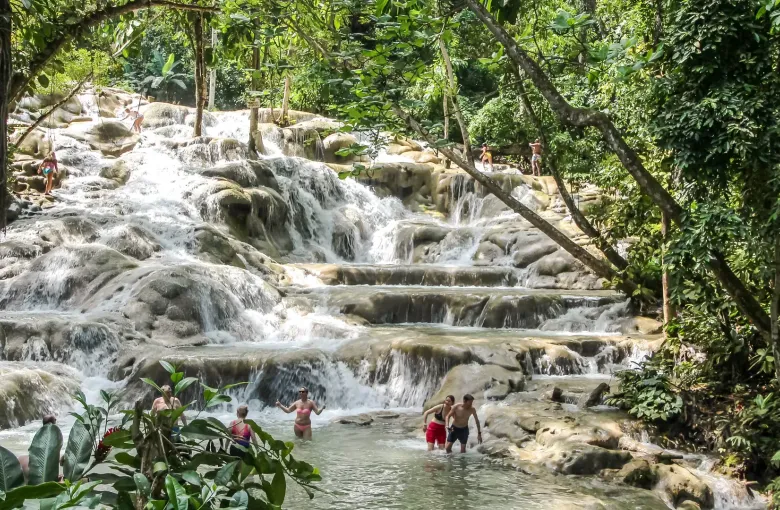
- Shoes that cope with wet ground if the mountains or waterfalls are on the plan.
Sources
- UK Foreign, Commonwealth and Development Office: Jamaica travel advice: the index to the entry, safety and health pages this cluster draws on, and the standing guidance that no travel can be guaranteed safe. Accessed 18 September 2026.
- UNESCO World Heritage Centre: Blue and John Crow Mountains, Date of Inscription 2015, a mixed cultural and natural property in eastern Jamaica. Accessed 18 September 2026.
Other Articles
Best Time to Visit Jamaica
Jamaica Packing List