Jamaica's currency is the Jamaican dollar. In the resort areas of the north coast you will also find US dollars accepted almost everywhere, and many menus and tour prices are quoted in them. Both of those things are true at once, and the gap between them is where visitors lose money without noticing.
⚠ Accepted is not the same as official
The Jamaican dollar is the country's currency. US dollars are widely accepted in places that serve visitors, which is a commercial convenience offered by businesses, not a second official currency. The practical consequence is that when you pay in US dollars, the business sets the rate, and change is very often given in Jamaican dollars at a rate that also favors them.
That is not sharp practice, it is just what happens when a shop is doing the currency conversion for you. But it means paying in US dollars is usually the most expensive way to buy anything, and paying in Jamaican dollars is usually the cheapest.
Where each one works
- Resorts, tours and the airport. US dollars accepted almost everywhere, often expected.
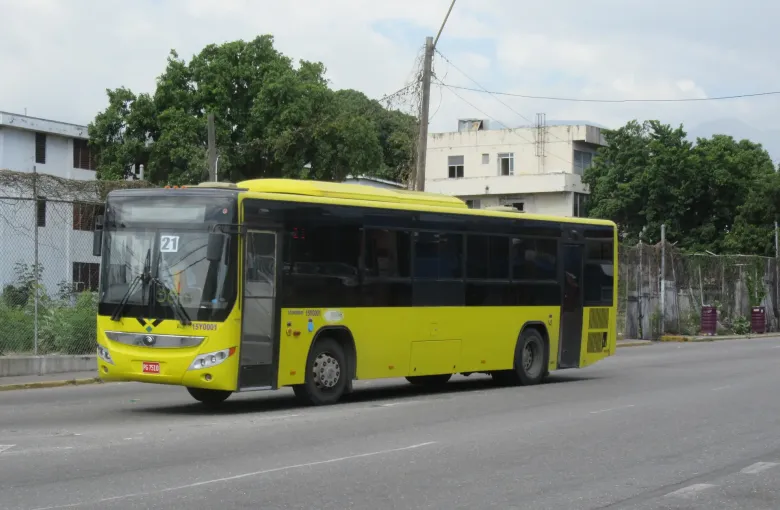
- Markets, small restaurants, buses and route taxis, anywhere away from the resort strip. Jamaican dollars, and often only Jamaican dollars.
If your trip stays entirely inside a resort you can get through it on cards and US dollars. If you intend to eat where Jamaicans eat, travel the way Jamaicans travel, or buy from a market, you need local cash.
Cards and cash machines
Cards work in hotels, established restaurants and larger shops. They do not work in a great many of the places most worth going to. Withdraw Jamaican dollars from a bank cash machine rather than changing money at a hotel desk, keep the amounts modest, and use machines attached to a bank branch during opening hours in preference to one standing on its own.
Tell your bank you are traveling before you go. A card frozen for suspected fraud on the first day of a trip is a genuinely difficult problem to solve from another country.
What things cost
This guide does not publish an exchange rate or a price list, and that is deliberate. A rate dates a page the day it is written, and a number that is out of date is worse than no number, because a reader will plan around it. Check the rate on the day with your own bank, and treat any figure you find in a travel guide, including this one, as needing confirmation.
Tipping
Tipping is normal in Jamaica in restaurants and for guides and drivers. Check the bill first: a service charge is often already included, particularly at hotels and all inclusive properties, and adding a second tip on top of it is common and unnecessary. Where no service charge appears, a tip in cash and in Jamaican dollars is the most useful form it can take.
Practical habits
- Carry small denominations. Change for a large note is a recurring problem away from the resorts.
- Agree the price and the currency before a taxi or a tour begins, not after.
- Keep cash in more than one place, and do not count it in the street.
Sources
- UK Foreign, Commonwealth and Development Office: Jamaica travel advice: the index to the entry, safety and health pages this cluster draws on, and the standing guidance that no travel can be guaranteed safe. Accessed 18 September 2026.
Other Articles

Jamaica Visa and Entry Requirements
Jamaica Food Guide