The short version.
India runs from the Himalaya to the tropics and is roughly the size of the European Union. Asking when to visit India is therefore a little like asking when to visit Europe: the honest answer depends on which part, and the months that suit Rajasthan are not the months that suit Ladakh. What this page can do is give you the two seasonal facts an authority publishes, the deadline that quietly decides some itineraries months in advance, and an honest account of what it cannot tell you.
What it will not do is print a monthly temperature or rainfall table. No source in this cluster research register publishes one for India, and a figure reproduced from memory would look exactly like a checked one on the page while being impossible for you to verify. The India Meteorological Department publishes the real numbers and is the place to take that question.
The first timing fact, and it has teeth.
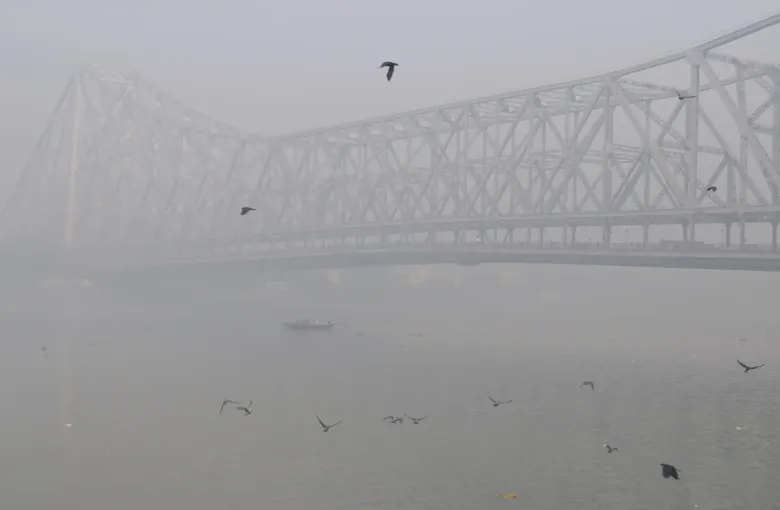
The UK Foreign, Commonwealth and Development Office health advice records severe air pollution as a major health hazard in India, especially during the winter months from October to February, and states that north Indian cities are most affected. That is a seasonal planning fact published by an authority rather than inferred, and it cuts across the months a first visit is most often booked into.
Read it as a real constraint rather than a reason to stay away. If the trip is built around Delhi, Agra and Jaipur, if anyone traveling has a respiratory condition, or if you are bringing a child or an older traveler, those months carry a risk the rest of the year does not. If the trip is to Kerala, Goa, Tamil Nadu or the islands, the window matters much less. Either way the reading to take is that the north and the winter go together, and that the answer changes when the destination does.
The second, which is the one everybody has heard of.
The monsoon is the fact that shapes the Indian year, and this register touches it only indirectly: the same health advice names dengue and malaria in India, and both are mosquito borne and both follow the rains. So the monsoon is not simply a question of whether you will get wet. It changes the health picture, which is why the health guide in this cluster sends you to a travel health professional at least 8 weeks before departure rather than trying to answer it here.
The monsoon also arrives at different times in different places and withdraws in a different order again, which is the clearest illustration of why one date cannot serve the whole country. Plan the weather around the region, not the other way round.
The deadline that decides some trips before the weather does.
Parts of India are designated restricted or protected and need a special permit. The entry advice states that you should apply for those permits 3 months before your arrival, and that the regulations can change at any time. That is a longer horizon than most people's booking window, and it means the answer to when for a trip into one of those areas is set by paperwork rather than by climate. If Ladakh, the north east or the islands are in scope, start there. The entry requirements guide in this cluster covers what else has to happen before you fly.
If the trip is built around one place.
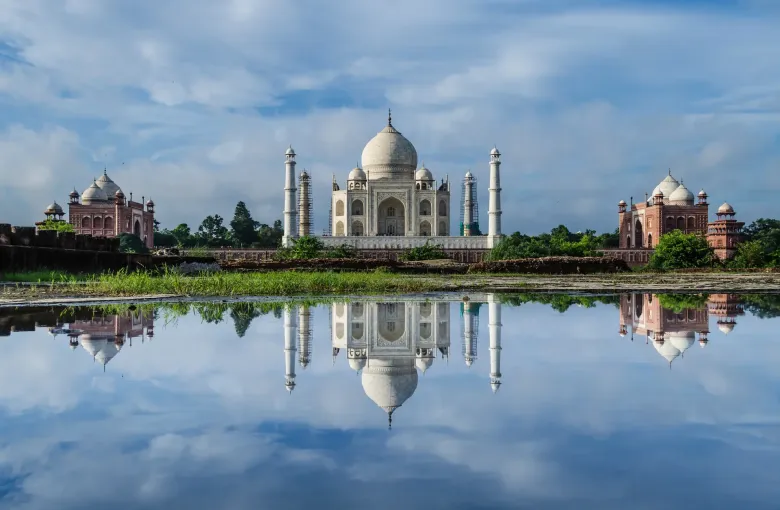
The UNESCO record for India lists 45 properties inscribed on the World Heritage List, of which Cultural 37 and Natural 7, plus 73 sites on the Tentative List. That is a long list by any measure, and it means almost any month and almost any region has something on it. The heritage guide in this cluster takes one of them, the Taj Mahal, and is plain that it leaves the rest out.
How to settle it.
Decide the region first and the month second. If the itinerary is northern and the dates fall between October and February, treat the pollution advice as a planning input rather than a footnote and check current readings for the days you will be there. If a restricted area permit is involved, work backward 3 months from your arrival date. And if the dates are already fixed by work or school, tell us and we will build the itinerary around the part of India that suits them.
Sources
- UK Foreign, Commonwealth and Development Office: advises seeking advice at least 8 weeks before a trip, names dengue and malaria in India, records severe air pollution as a major health hazard especially during the winter months from October to February with north Indian cities most affected, and gives 112 as the number to dial for an ambulance. Accessed 22 September 2026.
- UK Foreign, Commonwealth and Development Office: states that you must have a visa to visit India unless you are an Overseas Citizen of India cardholder, that a passport must be valid for at least 6 months after the date you arrive and have at least 2 blank pages, that an e-arrival card is completed online up to 72 hours before arrival and is not a visa, that accommodation providers must register foreign guests with the Foreigners Regional Registration Office, that a stay of more than 180 days without an OCI card must be registered within 14 days of arrival, that a special exit permit takes between 5 and 15 working days, that amounts above 5,000 US dollars in notes or 10,000 US dollars in notes and travelers checks combined must be declared, and that permits for restricted areas should be applied for 3 months before arrival. Accessed 22 September 2026.
- UNESCO World Heritage Centre: records 45 properties inscribed on the World Heritage List for India, of which Cultural 37 and Natural 7, and 73 sites on the Tentative List, lists the Taj Mahal as inscribed in 1983 and the Chhatrapati Shivaji Terminus in Mumbai among the inscribed properties, and gives the Ancient Buddhist Site of Sarnath as the most recent addition. Accessed 22 September 2026.
Other Articles
India Weather Guide
The Taj Mahal: Visitor and Heritage Guide