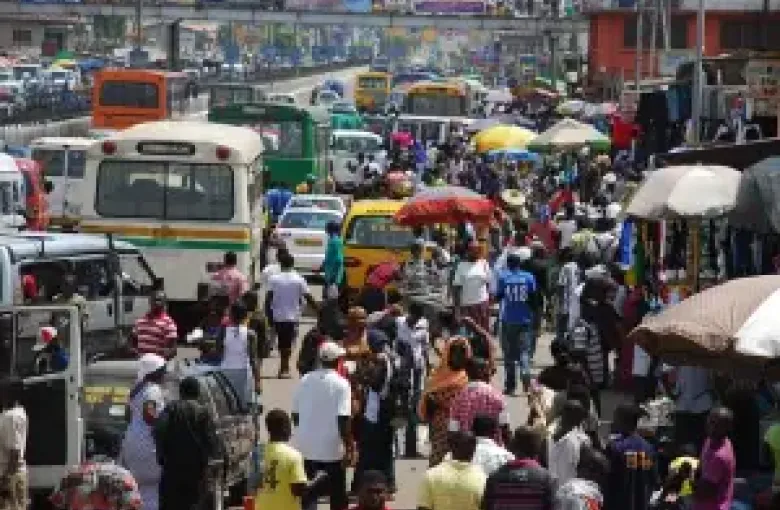
Ghana is one of West Africa’s most visited countries and hosts large numbers of travelers every year without incident. It is also a country where governments advise increased caution, where some regions carry specific warnings, and where health preparation matters more than it does in most destinations. Both of those are true, and you are better served by holding them together than by either reassurance or alarm.
Where the official position stands
As of its advisory dated 7 July 2026, the U.S. Department of State places Ghana at Level 2 — Exercise Increased Caution, citing crime, poor health infrastructure, violence against women, and violence against lesbian and gay travelers. It advises travelers to reconsider travel to the northern border area in the Upper East Region, the North East Region, the Upper West Region, and areas west of the N12 highway in the Savannah Region, because of crime.
Advisory levels change. Check the current advisory from your own government before you book and again before you fly.
General awareness
The realistic risk for most visitors is not dramatic. Official guidance describes crimes of opportunity, including petty theft, as a serious problem, and records that violent crime — carjacking, street mugging, assault and rape — occurs, often at night and in more remote places. That profile is familiar from a great many destinations, and it responds to the same ordinary habits.
- Keep valuables out of sight, and do not carry everything you own at once
- Be more careful after dark, and much more careful walking alone after dark
- Use arranged transport at night rather than hailing something in the street
- Keep your phone in your pocket in traffic and in crowds
- Trust your instincts about a street, and turn around without embarrassment
The regional guidance is worth taking literally. The areas named in the advisory are in the far north, well away from the Accra–Cape Coast–Kumasi corridor that most cultural and heritage itineraries follow.
Traveling with licensed guides
Ghana’s heritage sites are guided for good reason, and a licensed guide is a safety measure as much as an interpretive one. A guide knows which roads are being repaired, which market is closed today, where it is appropriate to walk, and who to ask for permission. At Cape Coast and Elmina, guiding is part of how the sites are run — visits go through the Ghana Museums and Monuments Board’s guides.
Book excursions through your accommodation, your tour operator or an accredited provider rather than accepting an offer in the street.
Getting around
- Road travel is the main way to cross Ghana, and long transfers are normal. Prefer daylight for intercity journeys
- Use pre-arranged drivers or reputable ride-hailing, and check the plate before getting in
- Wear a seatbelt wherever one exists, including in the back
- Motorbike taxis are best avoided by visitors
- Be alert to piracy warnings in the Gulf of Guinea if any part of your travel is by sea — official guidance is explicit about armed attacks on vessels in those waters
Money and valuables
Carry the day’s cash and leave the rest, along with your passport, in the hotel safe. Use ATMs inside bank branches or hotel lobbies in daylight. Split your money and cards across two places so a single loss is not the end of the trip. Expect to pay in Ghana cedis — the cedi is Ghana’s sole legal tender, and pricing or accepting payment in foreign currency without a Bank of Ghana license is prohibited under the Foreign Exchange Act, 2006 (Act 723). The Ghana currency and money guide covers cards, ATMs, mobile money and tipping properly.
Health preparation
Health is where Ghana asks more of you than a typical trip, and where preparation genuinely changes outcomes.
- Yellow fever vaccination is required for entry, and CDC lists it as required for all arriving travelers aged nine months and older. See the Ghana visa and entry requirements guide
- Malaria transmission occurs throughout all regions of Ghana. CDC recommends prophylaxis; chloroquine resistance is documented, so the choice of medication matters and is a prescriber’s decision
- Routine and recommended vaccinations — including measles-mumps-rubella, hepatitis A and B, and typhoid — should be reviewed with a travel health professional four to six weeks before departure. CDC currently carries a global measles notice
- Meningococcal vaccination is recommended for parts of the meningitis belt during the December–June season
- Travel insurance with medical evacuation cover is not optional. Official guidance cites health infrastructure among its reasons for caution
Food and water
Standard precautions carry most of the weight here. Drink sealed bottled or properly treated water and use it for brushing your teeth. Eat food that is freshly and thoroughly cooked and served hot. Street food can be excellent — choose busy stalls with high turnover, where the cooking happens in front of you. Peel fruit yourself.
Two specific ones from CDC worth knowing: do not swim in fresh, unchlorinated water — schistosomiasis is a real risk in lakes and rivers — and avoid contact with water or soil that may be contaminated, which is how leptospirosis is transmitted.
Staying in contact
- Buy a local SIM or eSIM on arrival; coverage is good in cities and along main routes
- Download offline maps before you travel
- Agree a check-in rhythm with someone at home, and tell them your itinerary
- Save your accommodation’s address in local form — a screenshot works when data does not
If something goes wrong
- Keep your embassy or high commission’s contact details saved offline, and register with your government’s traveler program if it offers one
- Carry your insurer’s 24-hour assistance number on paper as well as on your phone
- Report theft to the police and obtain a report — insurers require it
- Keep a photograph of your passport and visa stored separately from the originals
- Know where the nearest recommended clinic is on each leg of your route. On a guided trip, your operator should already know
Some travelers face particular risks
We would rather say this plainly than leave you to discover it. The current advisory specifically cites violence against women and violence against lesbian and gay travelers among its reasons for increased caution. LGBTQ+ travelers in particular should research the current legal and social position carefully and make their own informed decision; consult your government’s advice, which addresses this directly. This is not a reason we would tell anyone not to travel, and it is not something to find out about on arrival.
Why group travel changes the calculation
Most of what makes a trip go wrong is logistical before it is dramatic: an unfamiliar road at night, a driver arranged in a hurry, a clinic nobody knows the location of, a document left in the wrong bag. A supported group removes most of those decisions from a tired traveler at the end of a long day.
On our journeys that means vetted ground transport and drivers, accommodation booked in advance and known to us, licensed guides at heritage sites, an itinerary someone at home has a copy of, and a local team who knows where you are meant to be. It also means you are not the only person paying attention.
How LABUSA Travel approaches this
We plan around the official advice rather than around it. Routes follow the corridors where travel is well established, transport and accommodation are arranged rather than improvised, heritage visits use site guides, and the itinerary has slack so nobody is making decisions under time pressure. The Echoes of Africa Tour 2027 is built on that basis, and it is designed for group travel while remaining solo-traveler friendly.
Common questions
Is Ghana safe for tourists?
Ghana receives large numbers of visitors safely every year, and most trips pass without incident. It is not risk-free: the current U.S. advisory places Ghana at Level 2, Exercise Increased Caution, and advises reconsidering travel to specific northern areas. Prepare properly, follow the regional guidance and take ordinary precautions.
Which parts of Ghana should I avoid?
The current advisory says to reconsider travel to the northern border in the Upper East Region, the North East Region, the Upper West Region, and areas west of the N12 highway in the Savannah Region. Standard heritage and cultural itineraries do not go to those areas.
Do I need malaria medication for Ghana?
CDC records malaria transmission throughout all regions of Ghana and recommends preventive medication. Which medication is right for you is a prescriber’s decision — see a travel health professional four to six weeks before you go.
Is Ghana suitable for senior travelers?
Yes, and many of our travelers are. The considerations are practical rather than about safety: heat and humidity, long road transfers, and heritage sites with stone stairs and uneven ground that are not step-free. A supported group itinerary with a sensible pace handles most of it — tell your operator about mobility needs in advance.
Can I drink the tap water in Ghana?
Plan on not drinking tap water. Use sealed bottled or properly treated water, including for brushing your teeth, and follow standard food and water precautions.
A note on official information. LABUSA Travel is a travel company, not a government agency, a law firm or a medical practice. Everything on this page is orientation to help you plan and ask better questions. Entry rules, health requirements and safety guidance are set by governments and public health authorities, they change without notice, and they can differ by passport. Confirm the current position with the Ghana Immigration Service, the Ghanaian mission responsible for your country, your own government’s travel advice and a travel health professional before you book and again before you fly.
Other Articles
Ghana Visa and Entry Requirements
Ghana Currency and Money Guide