The quick answer
Dress modestly, greet people before you ask them anything, take your shoes off in a mosque, ask before photographing a person, and accept that hospitality here is offered rather than sold. Egypt is a warm and forgiving country towards visitors who are visibly trying.
Dress
Covered shoulders and knees is the working rule for both men and women anywhere outside a beach resort, and it is the requirement at mosques, churches and monasteries. Women should carry a scarf for covering their hair inside a mosque. Loose and long is also simply more comfortable in the climate, which is why long-standing visitors converge on it regardless of the etiquette.
This is not a strict dress code enforced on foreigners. It is the difference between moving through a place easily and attracting constant attention, and it makes a noticeable difference to how women in particular experience the country.
Greetings and manners
Greeting comes first, always. As-salamu alaykum (peace be upon you) is answered with wa alaykum as-salam; sabah al-khayr is good morning; shukran is thank you. A handshake between men is normal. Between a man and a woman, wait — let her extend her hand first, and if she does not, a hand placed briefly over your own heart is a courteous alternative.
Use your right hand for eating, giving and receiving. Ask about family and health before business; skipping straight to the transaction reads as brusque. Losing your temper in public is regarded as a loss of face for the person doing it, and it almost never produces a result here.
Religious sites
Egypt is a majority Sunni Muslim country with a substantial Coptic Orthodox Christian minority whose churches and monasteries are among the oldest continuously used in the world. Historic Cairo, inscribed by UNESCO, holds both traditions within a short walk of each other.
In a mosque: remove your shoes, dress as above, keep your voice down, and do not walk in front of someone who is praying or photograph them at prayer. Some mosques close to visitors at prayer times and particularly around Friday midday prayers. In a Coptic church: dress modestly, and be aware that some parts of a monastery are not open to visitors. In both, a donation where a box exists is normal and appreciated.
Photography
Ask before photographing a person, and expect that in tourist areas the answer may come with a small request for money attached — that is a transaction, not an insult, and you can decline both. Do not photograph military or police installations, checkpoints, bridges or airports; this is taken seriously and has caused visitors real trouble. Many archaeological sites and museums charge a separate photography fee, and some tombs prohibit photography entirely to protect the pigments. The rules are posted; follow them rather than the person next to you.
The week and the year
The Egyptian weekend is Friday and Saturday. Friday midday prayers are the fixed point of the week — streets empty, then fill. Government offices and many businesses keep Sunday to Thursday hours. During Ramadan the whole rhythm shifts: quiet, slow afternoons and a city that comes alive after sunset. Eating, drinking and smoking in public during daylight in that month is best avoided out of simple courtesy, whether or not anyone would object.
Hospitality, and the offer you should accept
Tea will be offered — in shops, in workshops, by people you have just met. In most cases it is exactly what it appears to be, and refusing is a small rejection of something freely given. Accept it. In a heavily touristed setting it is occasionally the opening of a sales conversation, which becomes obvious quickly and which you can leave politely at any point.
Bargaining is normal in markets and for crafts, and is not normal in shops with marked prices, in restaurants or for anything metered. Where it applies, it is a conversation with a rhythm to it: ask the price, name something lower, expect to meet somewhere between. Do it good-humouredly, and remember that if you name a price and it is accepted, you have agreed to buy.
Two things worth knowing plainly
Persistent commercial attention around the major sites is a real feature of visiting Egypt. A clear, friendly la, shukran — no, thank you — without slowing down, is the technique that works. Engaging, explaining or apologizing extends the conversation.
Women traveling in Egypt, particularly alone, frequently report unwanted attention and comment. Modest dress, sunglasses, confident movement and a willingness to be blunt all help; so does the women-only carriage on the Cairo Metro. It is worth knowing before you arrive rather than discovering.
Common questions
Do I need to speak Arabic?
No. English is widely spoken in the tourism sector. Half a dozen words of Arabic will change how you are received, though, out of all proportion to the effort.
Is public affection acceptable?
Hand-holding between couples is generally unremarked; more than that is not, and is best kept private.
What about alcohol?
Available in licensed hotels, restaurants and bars, not part of ordinary public life, and never assume it in a private or religious setting.
Seeing it on a LABUSA Travel journey
Our guides brief on all of this before the first site visit, and they are Egyptian — which means the etiquette arrives as context rather than as a list of rules. That is most of what makes the difference between visiting a place and being welcome in it.
Other Articles
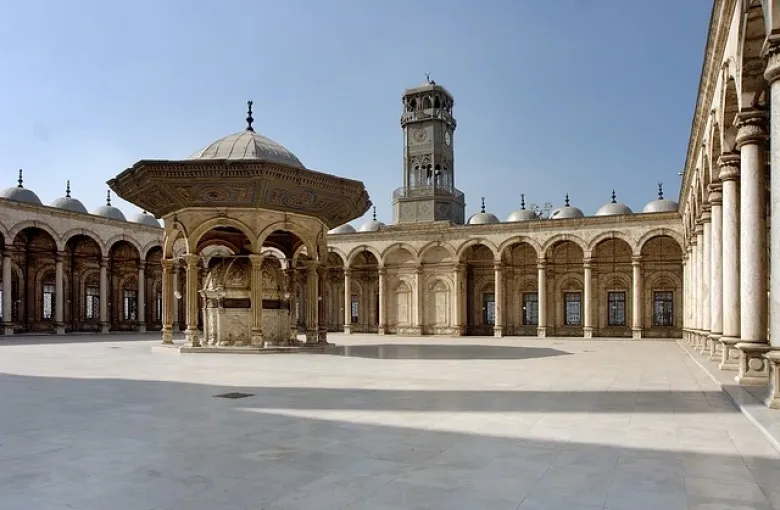
Egypt Festivals and Celebrations
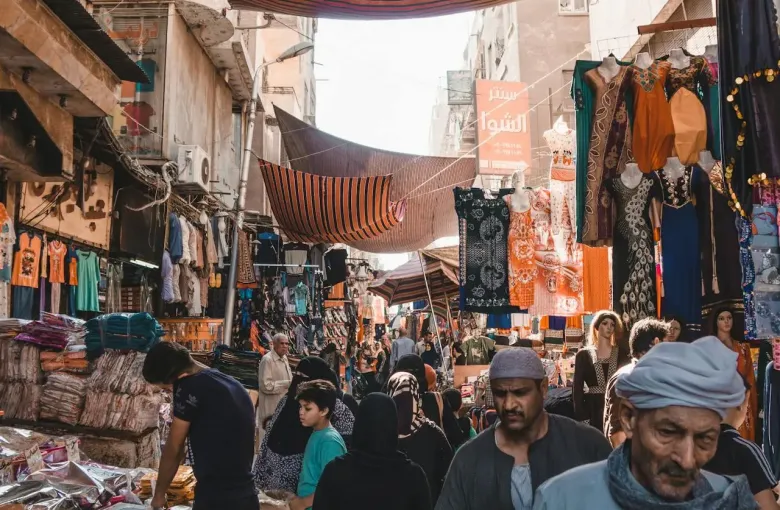
Egypt Food Guide