What this page is for, and the limit it works under
A reader arriving here is usually looking for two different things: somewhere real to go, and an account of how their connection to this place came about.
This guide can give the first properly. The second it largely cannot, and saying so is the point of this section. Bermuda's history of slavery, emancipation and the movement of people across the Atlantic is documented, serious and consequential. Not one of the eight sources gathered for this cluster narrates it. Writing that history here from memory, on a page addressed to people whose families are in it, would be the worst kind of invention this project can commit.
So what follows is places and institutions, each with a source, and then a plain statement of where the history itself should be read.
The institutions that hold the record
Two bodies appear in this cluster's register and both hold and publish Bermudian history directly.
The National Museum of Bermuda sits at 1 The Keep, Sandys, inside the Royal Naval Dockyard, and its buildings include Commissioner's House and Queen's Exhibition Hall. It records that children under 16 are FREE, which matters for anyone bringing a family to look at a family question. Our Dockyard guide covers the site.
The Bermuda National Trust holds historic properties, among them the Globe Museum, which it describes as one of the earliest houses in the UNESCO World Heritage Site of St George, Bermuda's former capital.
Both are the right first contact for a research question, and both are better placed to answer it than any travel guide. Approach them as archives and custodians rather than as attractions.
Where the oldest ground is
The inscribed property is the Historic Town of St George and Related Fortifications, Bermuda (2000), recorded by UNESCO under the United Kingdom as State Party. It is the earliest continuously inhabited settlement of its kind that Bermuda has, and it is where the island's documented life begins.
For anyone tracing descent, a former capital with an intact historic core is where the parish records, the churches and the property of the period are most likely to survive. Our St George guide sets out what the inscription covers.
What you can see that is living rather than archival
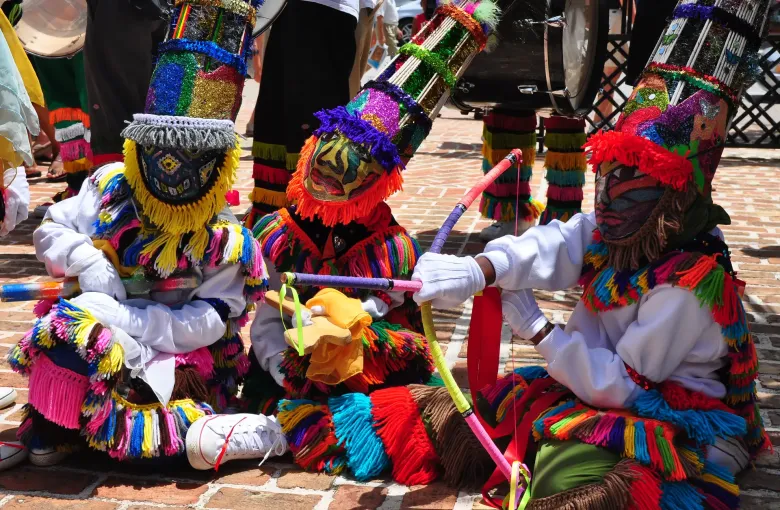
The Government of Bermuda records that Bermuda Day, on the fourth Friday in May, carries Gombey troupes, and that the first Bermuda Day Parade was held in 1979.
The Gombey tradition is Bermuda's most recognizable performance form, and seeing it on the island's own day is a different experience from seeing it staged. This guide states no origin for it, because the government page that names the troupes does not, and the origins of a tradition of this kind are exactly where confident writing tends to be wrong. Ask in Bermuda; the tradition has practitioners and historians and they are the authority on it.
What this guide will not do
It will not narrate the history of slavery in Bermuda, name the routes by which people arrived, give dates for emancipation, describe the composition of the population, or tell you what any of it means. Every one of those would be written from nothing, and a reader with family in the question deserves better than a confident paragraph with no source behind it.
Start with the National Museum of Bermuda and the Bermuda National Trust, and with Bermuda's own archives and parish records. They are the institutions that hold the answer, and both of them are already in this guide's register because they publish.
Sources
- UNESCO World Heritage Centre: United Kingdom States Party record, under which Bermuda is listed as a British Overseas Territory: the Historic Town of St George and Related Fortifications, Bermuda, inscribed on the World Heritage List in 2000. Accessed 18 September 2026.
- National Museum of Bermuda: Visiting the National Museum of Bermuda at the Royal Naval Dockyard: the address 1 The Keep, Sandys, the record that children under 16 are free, and the Commissioner's House and Queen's Exhibition Hall among the buildings a visitor sees. Accessed 18 September 2026.
- Bermuda National Trust: The Globe Museum: one of the earliest houses in the UNESCO World Heritage Site of St George, Bermuda's former capital. Accessed 18 September 2026.
- Government of Bermuda: Bermuda Day: celebrated on the fourth Friday in May, the record that the first Bermuda Day Parade was held in 1979, and that the day carries Gombey troupes and a half-marathon derby. Accessed 18 September 2026.
Other Articles
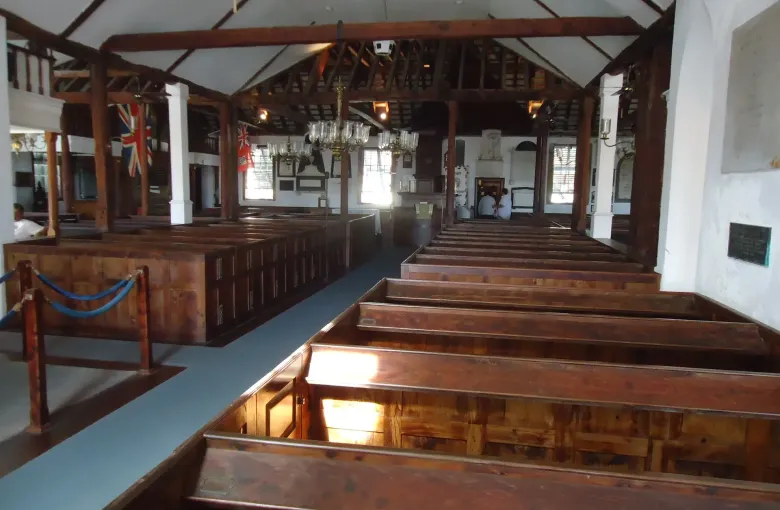
Historic Town of St George: Visitor and Heritage Guide
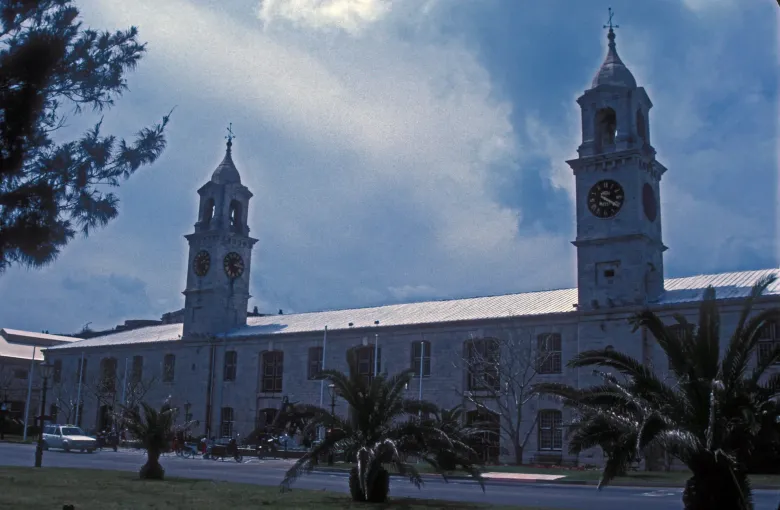
Royal Naval Dockyard: Visitor and Heritage Guide