The short version
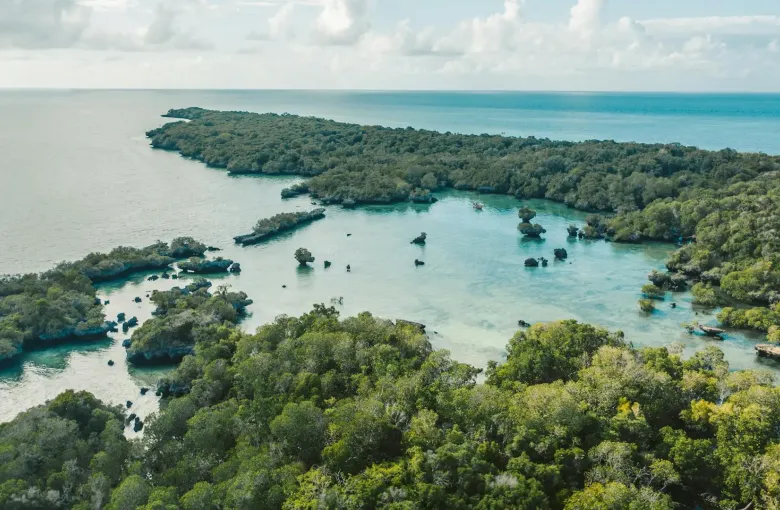
Tanzania has two quite different food cultures, and which one you meet depends on where your itinerary goes. The mainland eats one way. The Swahili coast, shaped by more than a millennium of Indian Ocean trade, eats another.
Why the coast tastes different
This is not a coincidence of geography, it is documented history. UNESCO's inscription of Stone Town describes a Swahili culture that brought together elements of Africa, the Arab region, India and Europe over more than a thousand years of seaborne trade between Asia and Africa.
That is exactly what you taste on the coast: spice, coconut and Indian Ocean influence worked into an African foundation. Zanzibar's association with the spice trade is not marketing, it is what the port was for.
On the mainland
Expect starch-led meals built around a staple, with stewed meat, beans and greens. Grilled meat is a social food rather than a formal one. Portions are generous and the cooking is not spicy in the way the coast can be.
On safari you will mostly eat at lodges and camps, which cook to an international standard and cater to dietary requirements when told in advance. If you want to eat what Tanzanians eat, say so at the planning stage and we will build in the opportunities, because a lodge buffet will not give you that by itself.
On the coast and in Zanzibar
Seafood, rice, coconut and spice. Street food is a genuine part of the culture rather than a tourist performance, and an evening market is one of the better things you can do with a group.
Eating well without getting ill
The usual travel rules apply and are worth actually following: drink treated or bottled water, be thoughtful about ice, eat food that is hot and freshly cooked, and be more careful with raw salads and peeled fruit than you would be at home. Busy stalls turn food over quickly, which is usually a better sign than an empty one that looks tidier.
The CDC publishes current food and water guidance for Tanzania; it is linked below.
Dietary requirements
Vegetarian eating is straightforward. Vegan, gluten free, kosher and halal all need notice, and notice given to us rather than at the table. Much of the coast is Muslim, so halal is widely available there and less so inland. Tell us at the planning stage and we will confirm it property by property rather than hoping.
Planning with LABUSA Travel
We plan and manage Tanzania journeys for groups: itinerary design, park permits, lodges, internal flights and ground transport, and a single point of contact while you travel. Start with the Tanzania travel guide, or tell us what your group has in mind on the plan your trip form.
Other Articles
Tanzania Culture and Etiquette