Six months, and what happens after them.
A returning visit is usually longer than a holiday, so the entry period matters more. On entry you are granted a period of 6 months. To stay beyond that you must apply and pay for an extension from the Saint Vincent Immigration Department, and the advice states plainly that it is illegal to stay longer than the period allowed, or to work without a work permit.
Work permit is the clause that catches people who intend to help with a family business, a church, a farm or a building project while they are here. The rule does not turn on whether you are paid.
Your passport must have an expiry date at least 6 months after the date you arrive, counted from arrival rather than departure.
The food rule applies to you as well.
This is the one that a returning visitor is most likely to trip over, because carrying food home to family is the most natural thing in the world. Because of foot and mouth disease, you will need an import license if you bring any food to the island.
It is not a rule about tourists. Arrange a license in advance if you intend to bring anything, or plan to buy here instead. Anything prohibited or subject to duty must be declared.
Where your family is may be a smaller island.
Much of the diaspora of this country comes from the Grenadines rather than from the main island, and that changes the practical planning. Damage from Hurricane Beryl in July 2024 has affected hotel availability and other facilities, including services at the airport, and Mayreau and Union took the worst of it. Smaller islands including Palm Island and Petit St Vincent in the Tobago Cays are still affected.
If your visit includes any of them, confirm arrangements before you travel. For a family gathering with dates that cannot move, confirm twice and confirm early.
Driving to where you are going.
If you will be moving around the main island rather than staying in one place, you need a local temporary driving license; car hire companies will usually help, and you must show a valid license from home. Expect potholes and speed bumps, and on minor roads very steep drops with no safety barriers and blind corners. Interior and leeward roads are mountain roads.
Planning a longer, slower visit.
A reconnection trip is usually built around people rather than sights: a village, a church, a cemetery, a family name, a boat to an island. We plan those with Vincentian operators who know the routes between islands and can confirm what is running. Tell us who and where, and we will build the itinerary around that.
Sources
- UK Foreign, Commonwealth and Development Office: Saint Vincent and the Grenadines travel advice, entry requirements: that a passport must have an expiry date at least 6 months after the date of arrival; that a traveler will be denied entry without a valid travel document or with a passport reported lost or stolen; that because of foot and mouth disease an import license is needed to bring any food to the island; that no visa is needed to visit and that on entry a visitor is granted a period of 6 months, with longer stays requiring an application and payment to the Saint Vincent Immigration Department; that it is illegal to stay longer than the period allowed or to work without a work permit; that a yellow fever vaccination certificate is required from travelers coming from a country listed as a transmission risk; and that there are strict rules about goods taken into or out of the country and that anything prohibited or subject to tax or duty must be declared. Accessed 21 September 2026.
- UK Foreign, Commonwealth and Development Office: Saint Vincent and the Grenadines travel advice, safety and security: that there have been incidents of crime including murder, armed robbery and assault, and an increase in gang-related murders involving guns; that visitors should keep valuables secure and out of sight, secure their accommodation including if staying on a yacht, take care walking alone off main roads and when taking money from ATMs, use only licensed taxis, and not carry large amounts of cash or jewelry; that the Vincy Mas carnival takes place in early July and that theft and opportunistic crime may increase during carnival; that there are severe penalties for all drug offenses; that it is illegal for anyone, including children, to dress in camouflage clothing; that attitudes towards the LGBT+ community are mostly conservative throughout the Caribbean and that some same-sex sexual activity is illegal; that some beaches may have strong undercurrents known as riptides and that not all beaches have lifeguards or flag warning systems; that a local temporary driving license must be obtained, that car hire companies will usually help with the process and that a valid home driving license must be shown to get it; that drivers should watch out for potholes and speed bumps, take care on minor roads where there can be very steep drops with no safety barriers, watch out for blind corners, and that taxi vans make random stops; that taxis are not metered, that there are set fares for most destinations, that the fare should be agreed in local currency with the driver before setting off and that payment can often be made in US dollars instead of East Caribbean dollars; that there was a lot of damage to tourist infrastructure on Mayreau and Union caused by Hurricane Beryl which struck the islands in July 2024, that smaller islands including the atolls of Palm Island and Petit St Vincent in Tobago Cays are also still affected, that this has affected hotel availability and other facilities including services at the airport, and that a traveler planning to visit Mayreau, Union or the smaller islands should confirm arrangements before traveling; that the last explosive eruption of La Soufriere volcano on St Vincent was in 2021; and that a traveler should monitor the alert level of the underwater volcano Kick em Jenny, located 5 miles off the coast of nearby Grenada, and keep out of maritime exclusion zones. Accessed 21 September 2026.
Other Articles
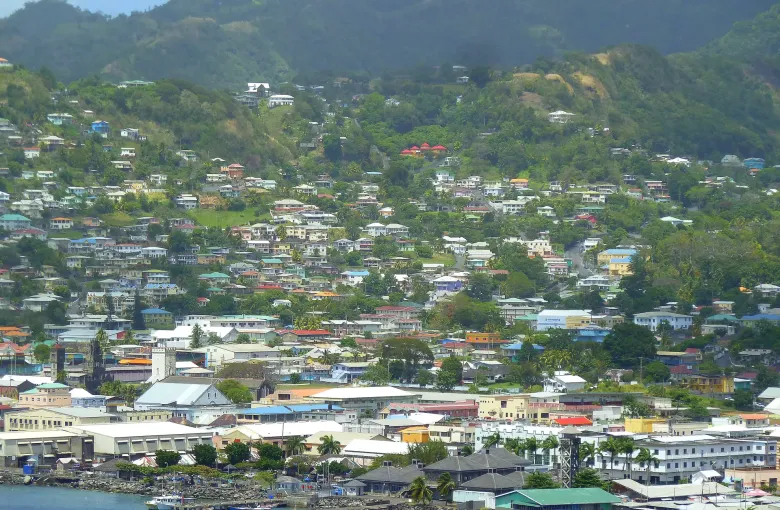
Saint Vincent and the Grenadines Culture and Etiquette Guide
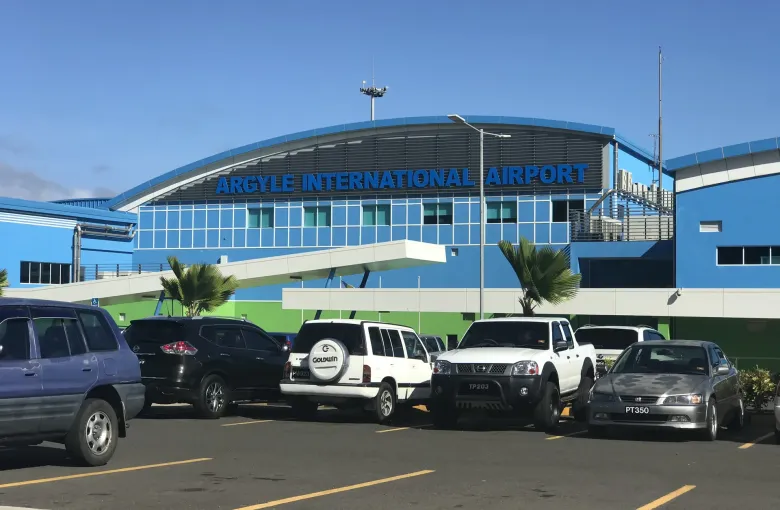
Saint Vincent and the Grenadines Visa and Entry Requirements