Impact Journal · Discover Texas
Texas has always been a place of big stories.
Stories of independence and struggle. Of communities building new lives on unfamiliar land. Of cattle drives across open plains, music drifting from dance halls, and families passing down recipes that carry the flavors of generations.
But the story of Texas is far richer than its familiar images of cowboy hats, barbecue, and sprawling ranches.
It is a story shaped by Indigenous peoples, Spanish missionaries, Mexican and Tejano communities, African Americans, European immigrants, and generations of newcomers who brought their cultures, traditions, and ambitions to the Lone Star State.
Today, those influences can be experienced in the historic streets of San Antonio, the small towns of the Hill Country, the music and food of Austin, the Western traditions of Fort Worth, the coastal heritage of Galveston, and the remarkable achievements of space exploration in Houston.
To discover Texas is to explore how these different stories came together to create a cultural identity unlike anywhere else in America.
San Antonio: Where Cultures and Centuries Meet
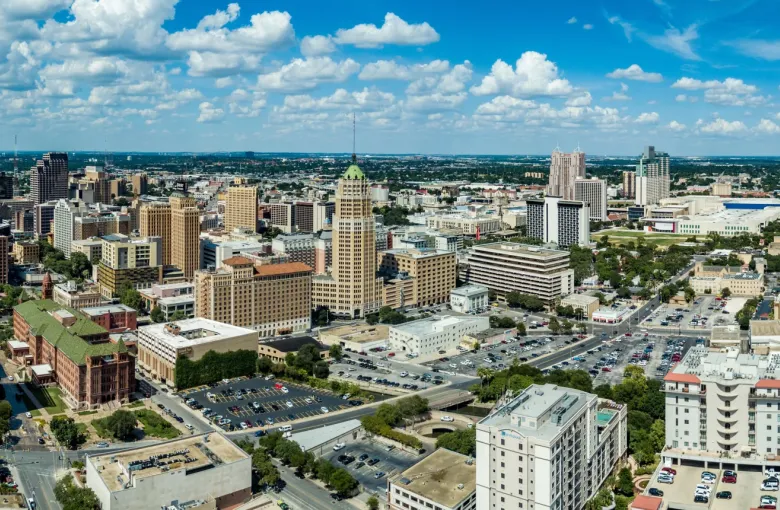
There are few places where the layers of Texas history are as visible as San Antonio.
The city’s historic missions tell stories that began long before Texas became a state. Established during the Spanish colonial period, these religious communities became places of cultural exchange, conflict, and transformation involving Indigenous peoples and European settlers.
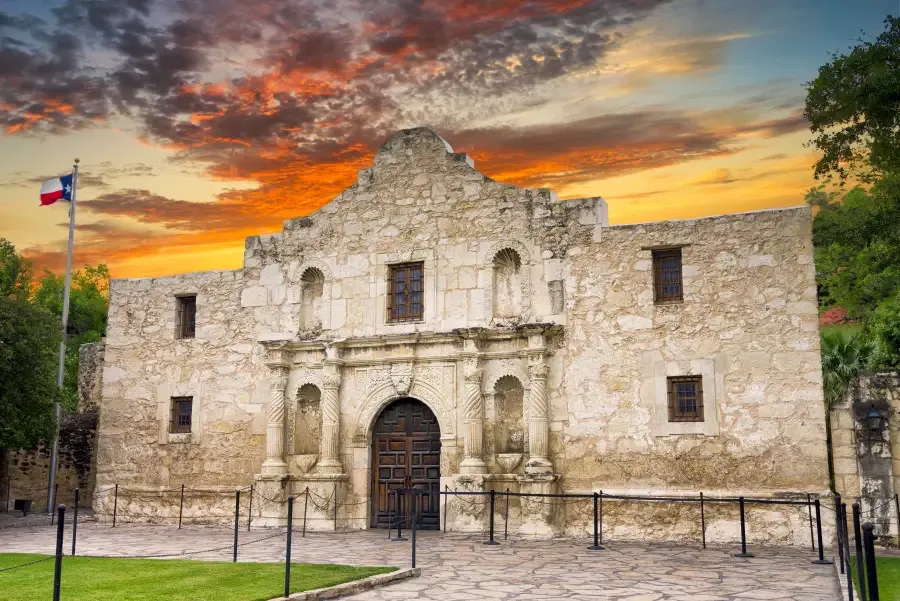
The Alamo, perhaps the most recognized landmark in Texas, remains closely associated with the Texas Revolution. Yet the broader history of San Antonio reaches beyond any single battle. It includes centuries of Indigenous life, Spanish colonial influence, Mexican heritage, and the development of a multicultural city.
That heritage continues in the vibrant atmosphere of Historic Market Square, where traditional crafts, music, and Mexican and Tejano food reflect the city’s enduring cultural connections.
Along the San Antonio River Walk, the city reveals another side of its personality. Restaurants, historic buildings, and shaded pathways create gathering places where visitors can experience the warmth and hospitality for which San Antonio is known.
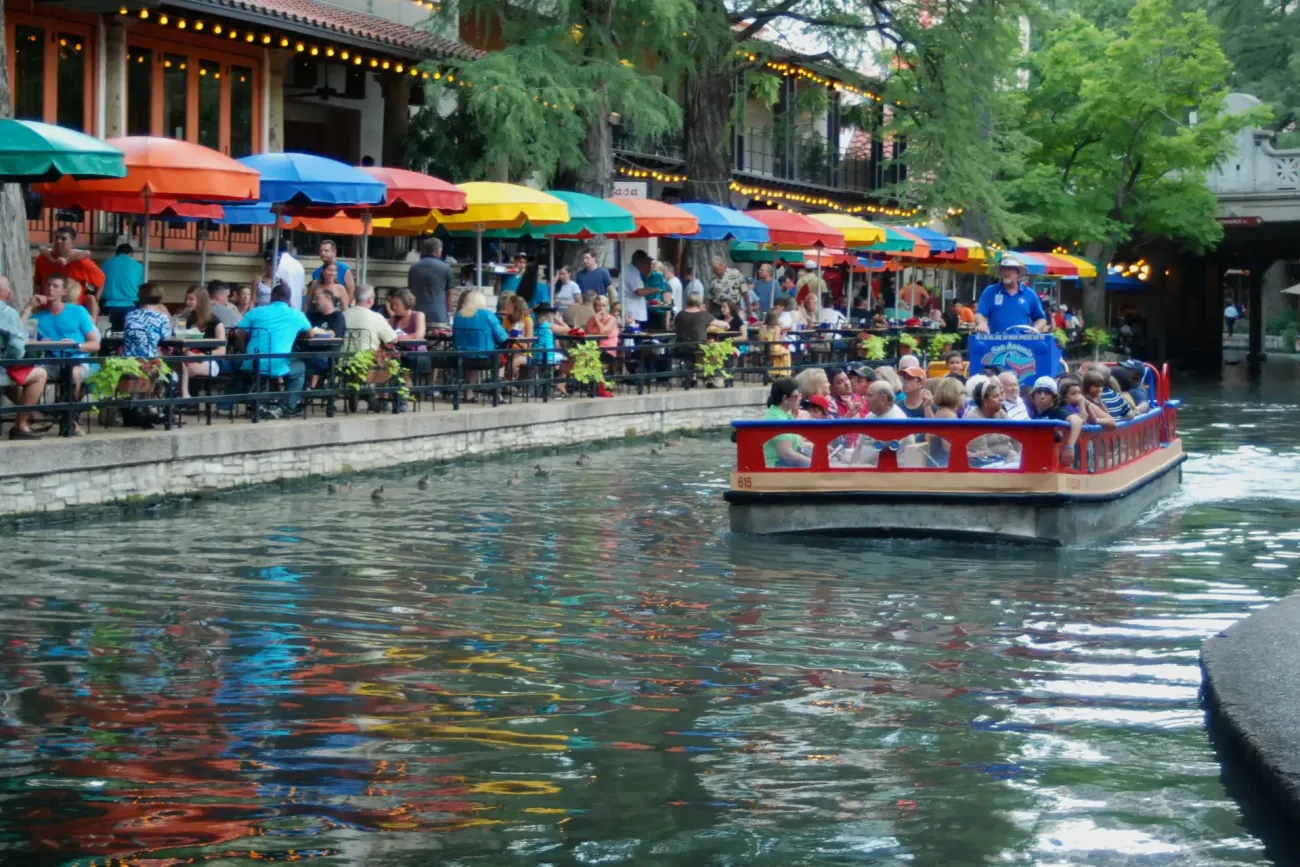
Here, history is not confined to museums. It lives in the architecture, the food, the language, and the everyday rhythms of the city.
The Hill Country: A Landscape of Heritage and Tradition
Beyond San Antonio, the landscape begins to change.
Rolling hills, limestone ridges, winding roads, and historic towns introduce visitors to the Texas Hill Country, a region where rural traditions and immigrant heritage remain deeply connected.
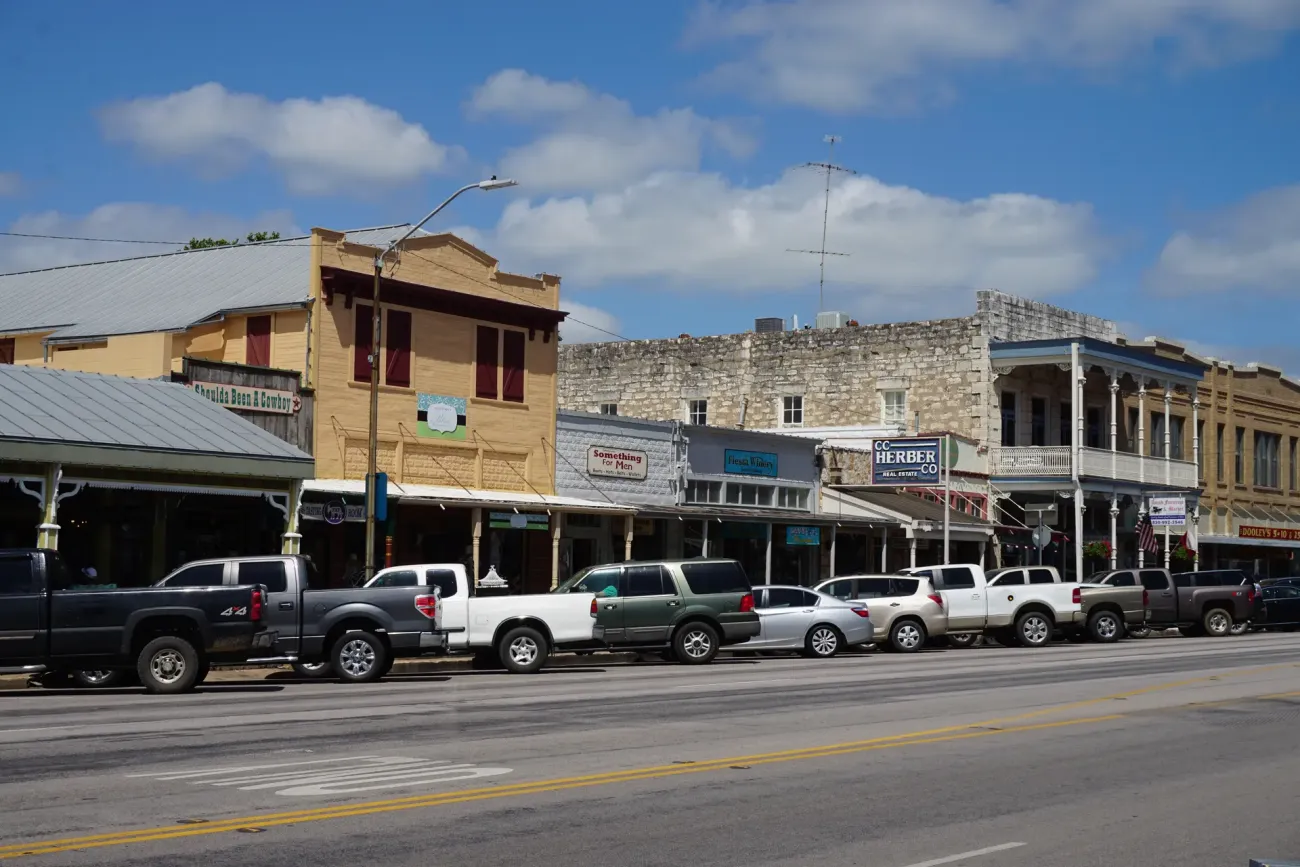
In Fredericksburg, German influences are visible in the town’s architecture, food, festivals, and historic Main Street. Founded by German immigrants in the nineteenth century, the community preserves a distinctive cultural identity while embracing the traditions of modern Texas.
Nearby, the landscapes surrounding Johnson City and Stonewall offer a different connection to American history.
This is the country where President Lyndon B. Johnson grew up and where his experiences in rural Texas helped shape his understanding of education, opportunity, and public service.
Historic farms and ranches throughout the region provide glimpses into the lives of earlier generations, when agriculture, family, and community were closely intertwined.
The Hill Country reminds visitors that the story of Texas is not only found in its great cities. It is also preserved in its small towns, working landscapes, and the traditions handed down from one generation to the next.
Austin: The Sound and Flavor of a Changing Texas
Every place has its own rhythm. In Austin, that rhythm is often set to music.
Known for its creative spirit and live music culture, Austin brings together Texas traditions and contemporary influences in ways that feel both familiar and unexpected.
Country music, blues, rock, and countless other musical styles have helped shape the city’s identity. Its performance spaces and dance halls reflect the influence of musicians and communities whose creativity has long contributed to American culture.
But Austin’s cultural story extends beyond its music.
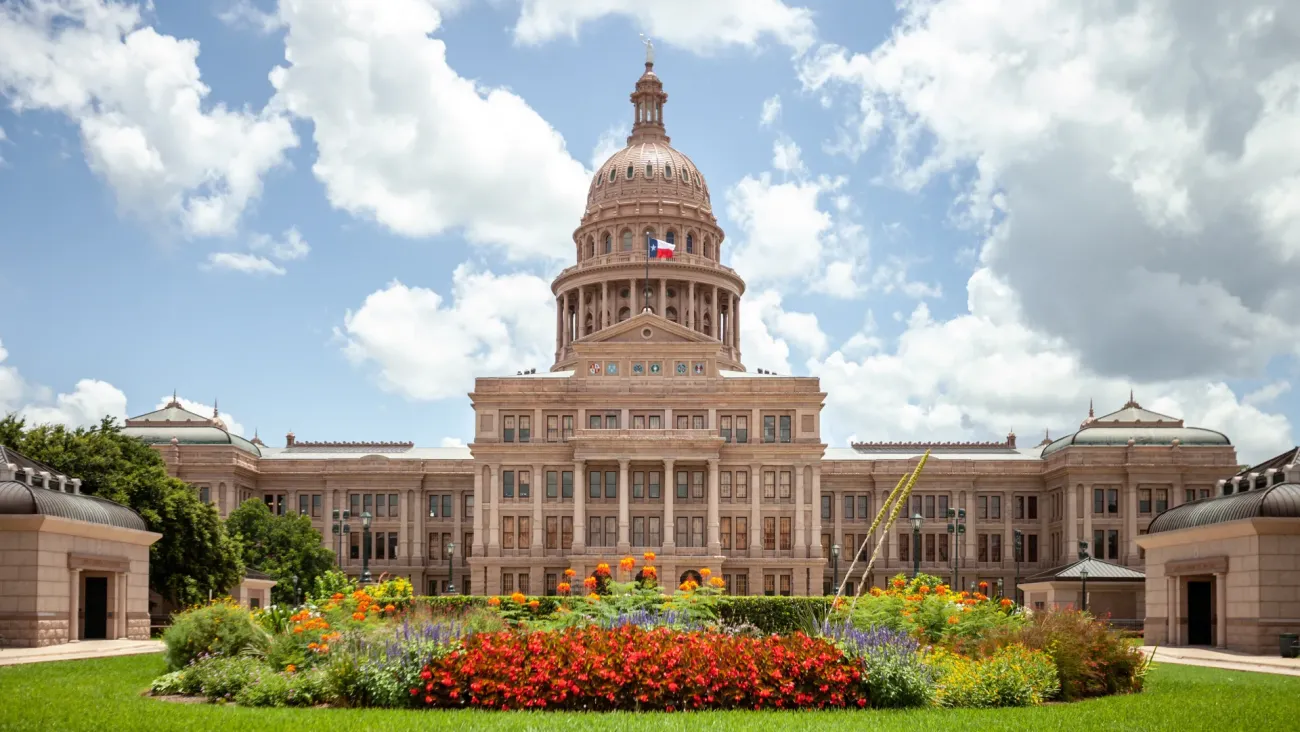
The Texas State Capitol stands as a reminder of the state’s political history, while neighborhoods such as South Congress reflect the city’s independent character through local shops, restaurants, and artistic expression.
Food is another important part of the experience.
Texas barbecue, with its slow-smoked meats and deeply rooted cooking traditions, tells a story of regional influences, family recipes, and generations of pitmasters. Mexican and Tex-Mex cuisine add further layers to the city’s culinary identity.

And then there is the Texas two-step.
More than a dance, it represents a social tradition that brings people together through music, movement, and shared enjoyment.
Austin demonstrates how culture evolves while remaining connected to its roots.
Central Texas: The Stories Found Along the Road
Some of the most memorable discoveries in Texas happen between major destinations.
In Central Texas, small communities preserve traditions that might otherwise be overlooked by travelers moving quickly from one city to another.
The town of West, for example, is known for its Czech heritage, reflected in local bakeries and the enduring popularity of kolaches. These pastries represent more than a favorite roadside treat. They are part of a culinary tradition carried to Texas by immigrant families and preserved across generations.
In Waco, historic buildings and revitalized gathering spaces reflect the continuing evolution of Texas communities.
Places such as Magnolia Market at the Silos have become popular destinations, bringing new attention to the city while offering visitors opportunities to experience local food, shopping, and hospitality.

Even the familiar Texas road trip has its own cultural character.
Long highways, roadside stops, small-town restaurants, and conversations with local residents often become part of the journey’s most lasting memories.
These experiences reveal something important about Texas: its identity is shaped as much by everyday communities as by its famous landmarks.
Fort Worth: Keeping the Cowboy Legacy Alive
Few images are more closely associated with Texas than the American cowboy.
Yet behind the familiar image is a complex history involving cattle ranchers, Mexican vaqueros, African American cowboys, and generations of workers who helped build the cattle industry.
In Fort Worth, that heritage remains visible in the historic Stockyards.
Longhorn cattle moving through the streets recall the era when cattle drives connected Texas ranches to railroads and markets across the country.
Western storefronts, rodeo traditions, and historic buildings preserve the atmosphere of a period that played a defining role in Texas’s economic and cultural development.
The cowboy story is also one of cultural exchange.
Mexican vaqueros contributed many of the riding techniques, equipment, and traditions later associated with American cowboy culture. African American cowboys also played significant roles in the cattle industry, even though their contributions were often overlooked in popular Western storytelling.
Understanding these connections gives the cowboy tradition greater depth.
Fort Worth offers visitors a chance to look beyond the legends and discover the people whose skills, determination, and labor helped shape the American West.
Galveston: An Island Where History Still Speaks
On the Gulf Coast, Galveston tells a different kind of Texas story.
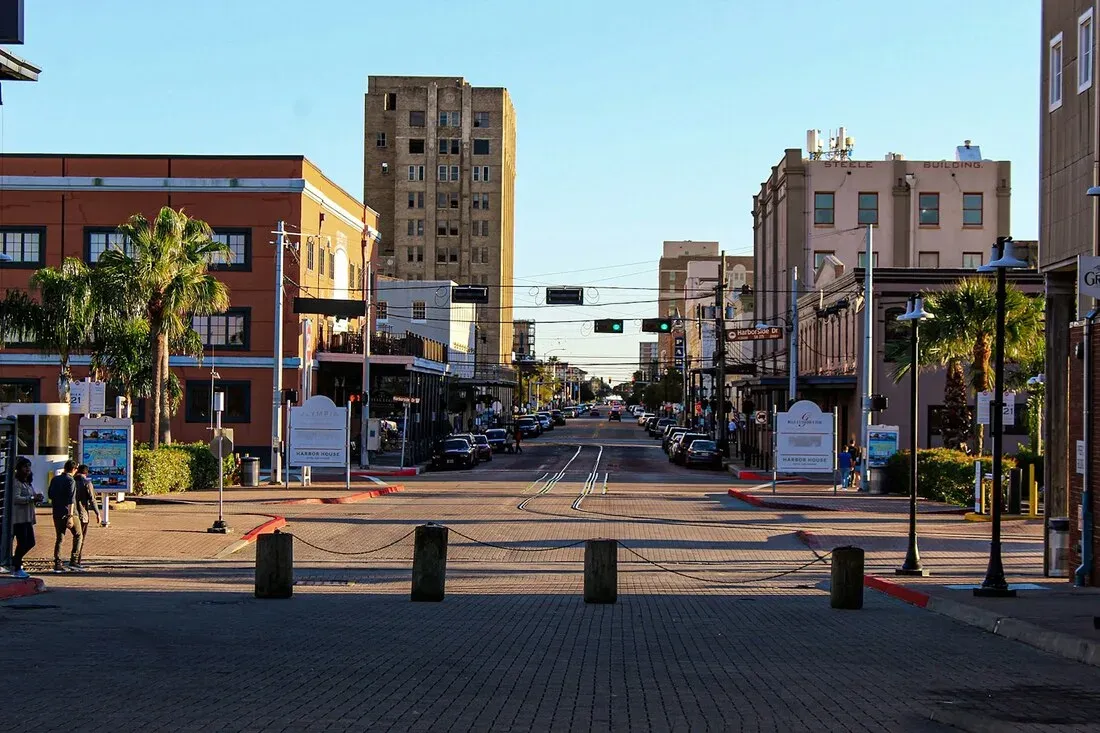
Its historic streets and nineteenth-century architecture recall a time when the island was one of the state’s most important ports and commercial centers.
The Strand Historic District preserves buildings that once served merchants, shipping companies, and businesses connected to trade along the Gulf of Mexico.
But Galveston’s history also includes stories of enslavement, emancipation, resilience, and the continuing struggle for freedom.
On June 19, 1865, Union General Gordon Granger arrived in Galveston, where General Order No. 3 announced that enslaved people in Texas were free.
The announcement came more than two years after the Emancipation Proclamation and became the foundation of Juneteenth, a commemoration that grew from Texas into a nationally recognized celebration of freedom.
Today, Galveston’s African American heritage remains an essential part of the island’s identity.
Historic landmarks, museums, and community traditions help preserve the stories of those who experienced slavery, emancipation, and the long struggle for equal rights.
Galveston invites travelers to reflect on how history shapes the present and why preserving these stories matters to future generations.
Explore more: Juneteenth in Galveston: A Journey Through Freedom and Heritage
Houston: A City That Reaches Beyond the Horizon
Texas history is often associated with the past, but Houston offers a powerful reminder that the state’s story is still being written.
Known for its energy industry, international communities, cultural diversity, and scientific achievements, Houston represents another dimension of the Texas experience.
At NASA’s Johnson Space Center, generations of engineers, astronauts, scientists, and mission specialists have contributed to some of humanity’s greatest achievements in space exploration.
The Apollo missions demonstrated what could be accomplished through scientific discovery, technological innovation, and collaboration.
At Space Center Houston, visitors can explore this history through exhibits, spacecraft, and the stories of the people who made space exploration possible.

Yet Houston’s significance extends beyond NASA.
Its diverse neighborhoods, international cuisine, museums, and cultural institutions reflect the contributions of people from around the world who have made the city their home.
Houston represents a Texas that is continually evolving, where global influences and local traditions help shape the future.
The Cultural Threads That Connect Texas
Traveling across Texas reveals a remarkable variety of landscapes, communities, and experiences.
Yet certain themes connect them.
Heritage lives through people. From the German traditions of Fredericksburg to the Mexican and Tejano influences of San Antonio, cultural identity survives because communities continue to share their stories, food, music, and customs.
History is more meaningful when experienced where it happened. Walking through the San Antonio Missions, visiting the Fort Worth Stockyards, or exploring Galveston’s historic streets creates opportunities to understand events and traditions in their original settings.
Food and music preserve cultural memory. Barbecue, kolaches, Tex-Mex cuisine, country music, and Western dancing all reflect the cultural exchanges that shaped Texas.
Innovation is part of the Texas identity. From the industries that helped build its cities to the achievements of NASA, Texas continues to contribute to the development of American society.
Together, these connections reveal a state whose identity cannot be captured by a single landmark, tradition, or historical event.
Why Cultural Travel Matters
The most meaningful travel experiences often begin with curiosity.
A historic building raises questions about the people who lived there. A traditional meal introduces the story of a community. A museum exhibit offers a new perspective on an event we thought we understood.
Cultural travel encourages us to look beyond familiar images and discover the human experiences that give destinations their meaning.
For families, these journeys can create opportunities to share history across generations.
For international visitors, they offer a deeper understanding of American culture beyond the places commonly seen in movies and television.
For educational and community groups, they provide opportunities to connect classroom knowledge with the places where history unfolded.
And for travelers of all backgrounds, they remind us that every destination has stories worth listening to.
Discover the Texas Beyond the Legends
Texas is a place of remarkable contrasts.
It is the sound of live music in Austin and the quiet streets of a Hill Country town. It is the sight of longhorn cattle in Fort Worth and the historic buildings of Galveston. It is the enduring cultural traditions of San Antonio and the extraordinary achievements of space exploration in Houston.
Each destination contributes another chapter to a much larger story.
And while the landscapes, attractions, and experiences may draw visitors to Texas, it is often the people, history, and cultural connections that make the journey memorable.
The real discovery is not simply seeing Texas. It is understanding the stories that made Texas what it is today.
Experience the Discover Texas Cultural Journey
LABUSA Travel brings these destinations together through a culturally inspired journey designed to introduce travelers to the history, traditions, and experiences of the Lone Star State.
From historic missions and Western heritage to local food, music, coastal history, and space exploration, the journey offers an opportunity to discover Texas through the places and people that define it.
Explore the Discover Texas Cultural Journey
Travel with Purpose. Discover the Stories Behind the Destination.
Other Articles